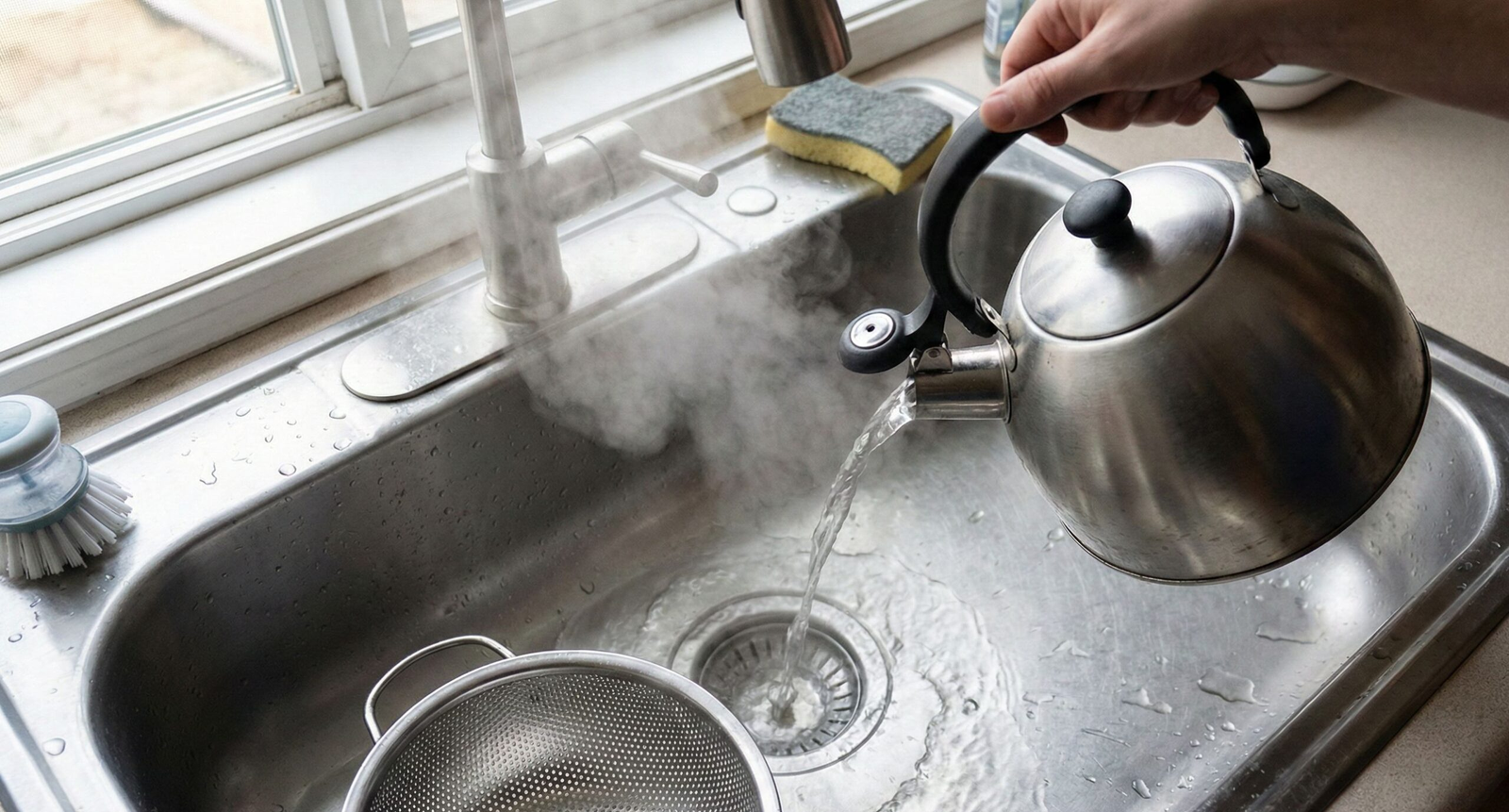
Introduction: Separating Myth from Reality
When faced with a sluggish drain or minor clog, many homeowners instinctively reach for a kettle of boiling water. It’s a time-honored remedy, passed down through generations and celebrated as the quick, economical solution that requires no expensive professional intervention. However, the reality of pouring boiling water down your drain proves far more nuanced and potentially problematic than conventional wisdom suggests. Before you heat that water, understanding the genuine consequences for your home’s plumbing infrastructure becomes absolutely essential for making informed decisions that protect your long-term investment.
This comprehensive guide addresses one of homeownership’s most critical maintenance questions: is it truly safe to pour boiling water down the drain in your specific situation? We’ll examine the risks systematically, explore how different pipe materials react to extreme temperatures, investigate whether your plumbing system can tolerate this practice, and discover proven safer alternatives that solve drainage problems without compromising your pipes. Whether you’re battling a stubborn clog or simply maintaining drains proactively, this detailed exploration equips you with the knowledge needed to make choices that genuinely protect your home’s plumbing system for decades to come.
Understanding the Direct Answer: Can You Pour Boiling Water Down the Drain?
The straightforward answer is more complicated than yes or no: it entirely depends on your specific circumstances. Pouring boiling water down a drain isn’t universally dangerous, but it carries substantial risks that most homeowners significantly underestimate. The actual safety profile hinges on multiple interconnected factors: your pipe material composition, system age and current condition, the exact water temperature you’re using, whether you have a septic system versus municipal sewage connection, and your pipe’s overall health status. For homes with modern PVC plumbing—which represents the overwhelming majority of residences built after the 1970s—boiling water poses genuine, documented threats to system integrity and longevity.
The fundamental problem isn’t merely whether boiling water causes immediately obvious damage that appears overnight. Rather, the real concern involves the cumulative, long-term deterioration it triggers within your plumbing network. Repeated thermal stress weakens pipe seals, accelerates corrosion in vulnerable materials, damages bacterial colonies essential for septic system functionality, and gradually compromises structural integrity throughout your entire drainage network. This progressive nature of damage explains why experienced plumbers almost universally recommend avoiding this seemingly simple solution. Understanding these nuances helps clarify why asking whether can you pour boiling water down the drain deserves a thoughtful, context-specific response rather than reflexive approval based on tradition alone.
The Risks and Dangers of Boiling Water Exposure
Boiling water presents multiple distinct hazards to residential plumbing systems, each operating through different mechanisms and affecting various pipe materials with varying severity. Understanding these specific risks empowers homeowners to make evidence-based decisions about their drain maintenance practices. PVC pipes, which dominate modern residential construction since the 1970s, exhibit particular vulnerability because they begin deteriorating at temperatures around 160°F, yet boiling water reaches a dangerous 212°F. This 50-degree temperature differential above the material’s safe threshold creates conditions for softening, warping, cracking, and brittleness that progresses gradually.
The damage from boiling water exposure often remains invisible initially, which creates a dangerous false sense of security. Pipes might appear completely unaffected immediately after the exposure, but internal degradation occurs at the molecular level with each heat exposure. Weeks or months later, homeowners discover pinhole leaks developing in unexpected locations, water dripping from previously solid joint connections, or cracks appearing in pipe runs hidden behind walls. This delayed damage manifestation means people often connect the problem to recent boiling water exposure, but by then irreversible deterioration has already occurred. For septic system owners, boiling water presents an entirely different catastrophic risk: it actively kills the beneficial bacteria that form the foundation of the entire septic ecosystem.
Septic systems depend on delicate bacterial colonies that naturally process household waste through biological decomposition. Pouring boiling water down drains doesn’t just pass through harmlessly—it deliberately destroys these essential microorganisms. When bacterial populations collapse, the septic tank loses its fundamental processing capability, creating backups, slow drainage, system malfunction, and eventual catastrophic failure. Recovery requires months as new bacterial colonies gradually reestablish themselves, during which your system operates at severely reduced capacity. Complete septic system failure necessitates replacement costing $5,000 to $25,000 or more, representing one of homeownership’s most expensive emergencies.
Beyond the primary pipes themselves, boiling water creates hidden vulnerabilities in the joint connections and rubber seals throughout your plumbing network. These connections use rubber gaskets and specialized compounds engineered for normal operational temperatures. Extreme heat causes rubber to expand, harden, and lose its flexibility, destroying the sealing properties that keep joints watertight. Over time, this thermal cycling accumulates damage, progressively weakening connections throughout your entire system. Even hairline cracks developing at joint points eventually blossom into significant leaks that spread water throughout walls, flooring, and structural components, causing mold growth and water damage that rivals flood situations in expensive consequences.
Galvanized pipes, prevalent in homes constructed between the 1950s and 1990s, already face natural corrosion challenges as their protective zinc coating gradually deteriorates. Boiling water dramatically accelerates this inevitable corrosion process, breaking down the zinc protective layer faster than normal water exposure. This creates an ideal environment for rust formation, scale accumulation, and mineral buildup that progressively restricts water flow. The combination of ongoing natural corrosion plus boiling water treatment creates a perfect storm for premature pipe failure that forces expensive replacement well before the system’s natural lifespan would end.
How Different Pipe Materials React to Boiling Water
Understanding your specific pipe material becomes the critical first step when asking can you pour boiling water down the drain in your particular home. Different piping materials respond to thermal stress in dramatically different ways, ranging from relatively resistant to catastrophically vulnerable. PVC pipes, representing the standard choice for modern residential drain systems due to their affordability and easy installation, exhibit the greatest vulnerability to boiling water exposure. PVC begins experiencing heat damage at approximately 160°F, which is 52 degrees below boiling temperature, making it the most fragile material found in residential plumbing infrastructure.
When considering the long-term consequences of repeated boiling water exposure in PVC systems, the outlook becomes genuinely concerning. Even single exposures increase damage probability, but repeated applications significantly shorten PVC pipe lifespan from decades to years. Professional plumbers consistently advise against this practice for PVC systems specifically, citing the high statistical probability of eventual failure. If you’ve identified white or gray plastic pipes in your system, PVC definitely comprises your drainage infrastructure, and boiling water treatment should be avoided entirely.
Cast iron pipes dominated plumbing systems in homes built before the 1970s, and this heavy-duty material displays impressive heat resistance that far exceeds PVC capabilities. Cast iron handles boiling water temperatures without immediate damage to the pipe material itself, as the thickness and density provide substantial thermal buffering that lighter materials cannot match. However, resilience doesn’t mean complete immunity from damage. While cast iron pipes tolerate boiling water better than PVC alternatives, their joints and connections may still suffer thermal stress, and cast iron naturally corrodes over time regardless of boiling water exposure.
Copper represents premium residential plumbing, valued specifically for durability, exceptional corrosion resistance, and longevity that often exceeds 50 years. Copper pipes handle boiling water exceptionally well, as copper resists heat damage and doesn’t degrade at the temperatures that damage plastic or significantly affect other metals. Many commercial installations and high-end residential systems use copper specifically for its reliability under thermal stress. However, even copper installations include joints, fittings, and solder connections that use materials with lower heat tolerance, meaning even copper systems carry some theoretical risk from boiling water exposure. Additionally, copper represents a significant financial investment worth protecting through gentler maintenance approaches that preserve long-term system integrity.
Galvanized steel pipes, once standard in residential construction before being replaced by PVC, represent a middle ground between cast iron’s resilience and plastic’s vulnerability. The protective zinc coating provides moderate defense against boiling water, but exposure accelerates the underlying corrosion process that eventually claims all galvanized systems. Homes with galvanized plumbing typically have systems already nearing or exceeding their expected 50-year lifespan, making thermal stress particularly problematic. Subjecting aging galvanized pipes to boiling water treatment compounds existing deterioration problems rather than solving drainage issues.
Beyond pipe materials themselves, septic system compatibility represents perhaps the most critical consideration when determining whether can you pour boiling water down the drain in your specific home. Septic systems occupy an entirely separate category from municipal sewage systems, requiring completely different treatment approaches and precautions. The bacterial ecosystem that makes septic systems function cannot survive boiling water exposure. Even a single kettle of boiling water can kill millions of beneficial bacteria, disrupting system function immediately. The ripple effects extend throughout your entire system, as biological processes slow dramatically when bacterial populations collapse, waste accumulates in the tank, and eventual system failure becomes increasingly likely if bacterial populations fail to recover.
Safe Application Methods and Proper Techniques
If you’re determined to use hot water for drain maintenance despite the risks, understanding proper temperature and application technique becomes absolutely essential for minimizing potential damage. Rather than using boiling water at the dangerous 212°F temperature, consider limiting yourself to hot tap water at approximately 130-160°F—hot enough to help break down minor grease and soap residue without subjecting vulnerable pipes to extreme thermal shock. This warmer-but-not-boiling approach provides some of boiling water’s benefits while substantially minimizing the serious pipe damage risks associated with truly boiling temperatures.
The pouring technique itself significantly impacts whether hot water treatment causes damage. Rather than pouring water quickly and forcefully, which creates sudden thermal shock throughout the pipe system, pour slowly and deliberately, allowing pipes adequate time to adjust gradually to the temperature change. This measured approach reduces thermal stress substantially. Additionally, ensuring you definitively know your pipe material before attempting this method proves absolutely crucial—if you have PVC pipes, avoiding this method entirely represents the only genuinely safe choice regardless of temperature.
Even with safer temperatures and improved techniques, frequency of application matters considerably for long-term system health. If you do use warm water for drain maintenance, limit this practice to once monthly or less to prevent cumulative thermal damage that eventually causes failure. More frequent use increases the probability of eventual pipe failure, particularly in systems with PVC or galvanized components. Monthly maintenance using gentler alternative methods provides significantly better long-term protection than relying on hot water repeatedly. Seasonal considerations also apply meaningfully—during winter months when cold air rapidly cools pipes, the thermal shock from introducing hot water becomes more pronounced and problematic.
Better Alternatives to Boiling Water That Actually Work
The baking soda and vinegar combination stands as one of the most effective, safe, and environmentally responsible drain cleaning methods available today. This approach uses a straightforward chemical reaction between two common household items to break down organic buildup without introducing any thermal stress to your pipes whatsoever. The method works by creating carbon dioxide bubbles that mechanically dislodge debris while the acidic vinegar dissolves grease and soap residue effectively. To implement this proven method, pour one-half cup of baking soda directly down the drain, followed immediately by one cup of white vinegar. Cover the drain opening to contain the reaction, then wait 15-30 minutes as the mixture works through your pipes. Finally, flush thoroughly with cool water. This approach works particularly well for minor clogs and preventative regular maintenance.
Baking soda and vinegar remains safe for absolutely all pipe materials, including vulnerable PVC and septic systems, causing zero risk of thermal damage or pipe deterioration. Many homeowners report excellent results using this method monthly for preventative maintenance. Enzyme-based drain cleaners represent another modern alternative that mirrors nature’s own decomposition processes. These products contain naturally occurring enzymes that break down organic matter—hair, grease, soap residue—without harsh chemicals or extreme temperatures whatsoever. Available at most hardware stores under various brand names, enzyme cleaners offer middle-ground performance between completely natural solutions and industrial-strength caustic options.
These enzyme cleaners typically require 6-8 hours to work effectively, so applying them before bed allows overnight processing while you sleep. They’re completely safe for all pipe materials and septic systems, making them ideal for environmentally conscious households or those with sensitive plumbing. Results generally match or exceed boiling water effectiveness for typical residential clogs, without any associated damage risks. Mechanical plunging remains one of the most underrated yet effective first-response tools for drain issues. Proper plunging technique creates pressure changes in pipes that dislodge clogs physically rather than chemically or thermally. For stubborn problems, professional drain snaking represents the most effective solution, using motorized augers to physically break through clogs completely. Preventative measures including drain screens, regular debris removal, and proper grease disposal eliminate many clog problems before they occur.
When Boiling Water Poses No Real Risk
In specific, limited circumstances, boiling water becomes a genuinely safer option that poses minimal risk. Homes with municipal sewage systems using cast iron or copper pipes exclusively throughout can generally tolerate boiling water without significant risk. The combination of durable pipe materials and absence of sensitive bacterial ecosystems makes this scenario considerably safer than alternatives. In these cases, asking can you pour boiling water down the drain receives a more favorable answer—though alternative methods still remain preferable. Professional plumbers working in commercial or industrial settings sometimes use boiling water intentionally as part of regular maintenance, particularly in commercial kitchens where grease accumulation occurs constantly.
These professionals make decisions based on specific knowledge of exact pipe configuration, material composition, and facility-specific requirements that guide safe application. Their professional training, insurance coverage, and extensive expertise enable them to use boiling water safely where homeowners absolutely should avoid it. If a licensed plumber recommends boiling water treatment specifically for your unique situation, they’ve likely assessed your plumbing system comprehensively and determined it genuinely safe. Homeowners should trust this expert judgment while maintaining healthy skepticism about general recommendations without thorough system inspection.
Critical Red Flags: When Boiling Water Is Definitely Unsafe
Septic system owners must never pour boiling water down drains under any circumstances whatsoever. The bacterial destruction that follows is too consequential, and the cost of system failure far too astronomical. If you use a septic system, this concern alone provides the definitive answer to whether can you pour boiling water down the drain—it’s a clear, absolute no. Protecting your septic system requires avoiding boiling water entirely and adopting exclusively gentler drain maintenance practices. Any home featuring PVC drain pipes, which represents the standard in most houses constructed after the 1970s, should avoid pouring boiling water down drains completely.
PVC’s vulnerability to heat makes this combination particularly risky and problematic. If you’re uncertain about your pipe material, contact your home inspector, a professional plumber, or the previous homeowner to determine whether PVC comprises your drainage system before attempting any hot water treatments. Homes built before the 1970s might contain various piping materials with uncertain composition, making identification challenging without professional inspection. In these cases, avoiding boiling water represents the absolutely prudent approach, as the risk of unexpected damage to unfamiliar pipe configurations far outweighs the modest benefit of using boiling water for drain maintenance.
New plumbing installations undergo significant stress during system pressurization and testing. Subjecting recently installed pipes to boiling water adds unnecessary thermal stress during their critical adjustment period. If your plumbing has been recently replaced or significantly repaired, wait at least several weeks before attempting any hot water treatments whatsoever. If your pipes already show signs of damage—slow drainage, water stains, unusual sounds, or persistent leaks—boiling water treatment might push a borderline system into complete failure. Systems already compromised by age, corrosion, or previous damage need gentle treatment and protection, not aggressive hot water exposure that accelerates deterioration.
Responding to Boiling Water Exposure: Steps to Take
If you’ve already poured boiling water down your drain without realizing the specific risks, don’t panic—one single application rarely causes immediate catastrophic disaster, though it does increase future damage probability. Begin monitoring immediately for warning signs that indicate damage has actually occurred. Check carefully for water leaking under sinks or cabinets, listen attentively for unusual sounds from pipes, or notice whether drainage becomes noticeably slower in the following days. Discolored water or water backing up into other fixtures can indicate significant damage requiring immediate professional intervention.
Contact a professional plumber immediately if you notice any warning signs within two weeks of pouring boiling water: visible water leaks, water damage appearing on ceilings or walls below the affected drain, water backing up into multiple fixtures, or persistent foul odors from drains suggesting system compromise. Early professional intervention prevents small problems from escalating into expensive emergencies requiring thousands in repairs. A plumber can inspect your pipes using modern camera technology, identify any damage from boiling water exposure, and recommend appropriate repairs. Professional inspection typically costs $150-300 for initial assessment and minor repairs but saves thousands in emergency repairs if damage goes undetected until it becomes catastrophic.
Expert Guidance and Professional Perspectives
Licensed plumbers almost universally recommend against pouring boiling water down residential drains without exception. The question of whether can you pour boiling water down the drain generates consistent professional consensus: it’s simply not worth the accumulated risk for the minimal benefit in effectiveness. Professional plumbers instead consistently recommend the combination of preventative maintenance, baking soda and vinegar treatments, enzyme cleaners, and professional snaking when necessary. Interestingly, plumbers who service homes regularly encounter boiling water-related damage sufficiently often to recognize patterns and consequences.
The plumbing industry has shifted decisively toward preventative maintenance and gentler approaches over recent years. Modern training for plumbers emphasizes comprehensive pipe preservation over aggressive treatment methods. Environmental concerns, sustainability principles, and increased scientific awareness of long-term damage consequences inform contemporary best practices thoroughly. If a licensed plumber recommends boiling water treatment specifically for your unique situation after system inspection, trust their professional judgment based on verified knowledge of your system.
Final Recommendations and Conclusion
Determining whether can you pour boiling water down the drain requires understanding your specific circumstances rather than relying on tradition or anecdotal advice. While boiling water might work for unclogging drains in very limited circumstances, the risks consistently outweigh benefits for most residential plumbing systems. The safest, most effective approach combines consistent preventative maintenance with gentler alternative methods. Baking soda and vinegar treatments, enzyme cleaners, and professional snaking provide superior long-term results without the damage risks associated with boiling water exposure.
Before committing to any drain treatment, definitively identify your pipe material and system type through professional inspection if uncertain. When drainage issues arise, reach for gentler alternatives before considering boiling water under any circumstances. Your plumbing system will reward this cautious, protective approach with years of reliable performance and avoided emergency repairs. Remember: protecting your pipes through smart maintenance decisions today prevents expensive, disruptive emergency repairs tomorrow. The small monthly investment in preventative maintenance proves infinitely cheaper than pipe replacement.
You may also read: Emergency Plumber 24/7 USA
Frequently Asked Questions
Q: Is it safe to pour boiling water down PVC drains? No, absolutely not recommended. PVC pipes begin deteriorating at around 160°F, and boiling water at 212°F can soften, warp, or damage pipes and seals. Even single exposures increase damage risk significantly, and repeated applications substantially shorten PVC pipe lifespan. Professional plumbers consistently advise against this practice for PVC systems without exception.
Q: Can boiling water damage copper pipes? Copper pipes resist heat exceptionally well and can handle boiling water without material damage. However, copper installations include joints and connections using materials with lower heat tolerance. Copper pipes represent significant investment worth protecting through gentler maintenance methods regardless.
Q: Will boiling water effectively unclog my drain? Boiling water works only for minor grease buildup but struggles with hair clogs, soap scum, or mineral deposits. Safer methods like baking soda and vinegar, enzyme cleaners, or mechanical plunging often outperform boiling water while eliminating pipe damage risks entirely.
Q: What temperature is safe for pouring down drains? Warm tap water at approximately 130-160°F poses minimal risk compared to boiling water. This temperature helps break down minor grease while reducing thermal shock. However, alternative methods remain preferable for all situations.
Q: What’s the safest drain cleaning method? Baking soda and vinegar combination is safest and most effective. Pour one-half cup baking soda, add one cup vinegar, cover the drain, wait 15-30 minutes, then flush with cool water. This works on all pipe materials and septic systems safely.
Q: Can boiling water damage septic systems? Yes, boiling water kills beneficial bacteria essential for septic function. Never pour boiling water if you have a septic system. Destroyed bacteria result in reduced processing, system malfunction, and failure requiring expensive replacement.
Q: Should I occasionally pour boiling water for maintenance? No, even occasional use carries cumulative damage risks. Regular gentler alternatives protect your system far better than periodic boiling water treatments ever could.
Q: What if I already poured boiling water down my drain? Monitor for warning signs including leaks, slower drainage, or unusual odors over two weeks. Contact a plumber if you notice any problems. One exposure rarely causes immediate failure but increases future damage risk.
Q: When do professionals recommend boiling water? Professional plumbers rarely recommend boiling water for residential use. They occasionally use it in commercial settings with verified cast iron pipes only. Trust professional assessment after system inspection.
Q: How often should I maintain my drains? Monthly maintenance using baking soda and vinegar or enzyme cleaners prevents buildup. Clear debris regularly, use drain screens, and avoid pouring grease for best results.