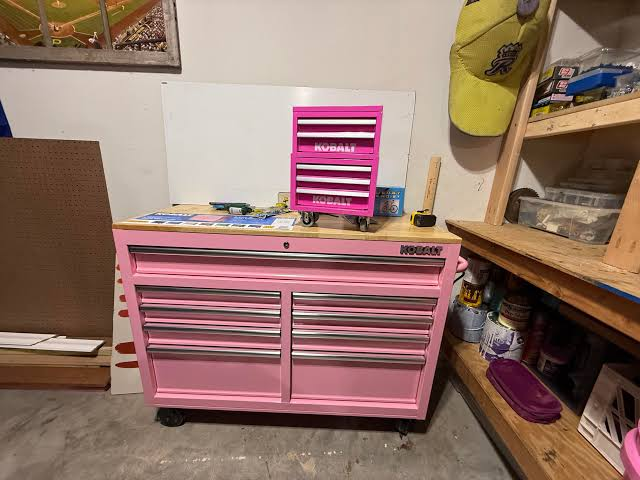
Introduction: Revolutionizing Tool Storage and Mobility
The modern workshop demands solutions that balance organization with flexibility. A pink tool box on wheels represents far more than aesthetic preference—it embodies a fundamental shift in how professionals and enthusiasts manage their most valuable assets. Whether you work as a certified mechanic handling daily repairs, an HVAC technician servicing residential properties, or a weekend warrior tackling DIY projects around your home, portable tool storage has become essential for efficiency and productivity. The evolution from stationary wall-mounted systems to dynamic rolling solutions reflects changing workplace realities where mobility, accessibility, and professional image matter equally.
What makes this shift particularly significant is how pink tool boxes on wheels address multiple pain points simultaneously. These innovative storage systems eliminate wasted time searching for misplaced tools, reduce the physical strain of repeatedly visiting separate storage locations, and create a professional appearance that enhances client confidence. The psychological benefit of organized, mobile storage shouldn’t be underestimated—professionals working with properly organized equipment perform better, make fewer mistakes, and complete projects more efficiently. This comprehensive guide explores everything necessary to select, maintain, and maximize the value of your pink tool box on wheels investment.
Understanding Pink Tool Box on Wheels: Modern Mobile Storage Solutions
A pink tool box on wheels represents engineered mobile storage specifically designed for professionals and enthusiasts requiring portable, organized tool access. Unlike traditional stationary toolboxes bolted to workshop walls, these systems feature precision-engineered wheels, ergonomic handles, and intelligently designed compartments that transform how you work. The distinctive pink coloring serves practical purposes beyond aesthetics—enhanced visibility in busy workshops reduces the likelihood of misplaced or accidentally borrowed tools, while the modern finish establishes professional credibility in client-facing situations. These aren’t merely colored versions of conventional toolboxes; they’re sophisticated storage solutions combining industrial-grade materials with user-centered design.
Contemporary pink tool boxes on wheels incorporate advanced features that separate premium solutions from basic alternatives. Ball-bearing drawer slides ensure smooth operation even when drawers support maximum weight capacity. Heavy-duty steel construction with powder-coat finishes resists corrosion, rust, and environmental degradation that compromises inferior products. Compartmentalized storage sections accommodate different tool categories, preventing damage through contact and simplifying tool retrieval during time-sensitive situations. The engineering philosophy behind quality pink tool boxes on wheels emphasizes that portability should never require sacrificing durability, organization, or security—users deserve solutions excelling in all these dimensions.
The distinction between rolling mobile storage and alternative methods lies in adaptability and real-world efficiency. Traditional stationary toolboxes remain fixed locations, requiring repeated visits or awkward tool transport when working throughout properties. Wall-mounted pegboards provide excellent accessibility for frequently used hand tools but can’t accommodate larger equipment and offer limited weather protection. Digital inventory tracking systems manage accountability but don’t physically organize equipment. A pink tool box on wheels eliminates these limitations by bringing your complete, organized tool collection wherever work takes you, whether that’s across a garage, between customer locations, or throughout multi-story buildings.
Key Features That Separate Premium Solutions From Budget Alternatives
Premium pink tool boxes on wheels distinguish themselves through exceptional wheel engineering and movement capabilities. High-quality models feature polyurethane or industrial-rubber wheels specifically designed for various workshop surfaces—concrete floors, outdoor job sites, and inclined work areas present different challenges requiring sophisticated wheel construction. Most quality units incorporate 360-degree swivel casters combined with locking fixed wheels, providing maneuverability comparable to professional airport equipment while ensuring stability during work. The handle mechanisms evolved significantly from simple metal grips to ergonomic designs accommodating different user heights, hand sizes, and physical capabilities. These seemingly minor details accumulate into dramatically improved user experience throughout years of daily use.
Storage capacity and organizational sophistication directly impact workflow efficiency and tool accessibility. A well-designed pink tool box on wheels features multiple drawers with customizable compartments, allowing users to organize tools by type, frequency of use, or project requirements. Advanced models include magnetic tool holders, dedicated wrench racks, screwdriver stands, and cable management systems standard on quality units. Some manufacturers integrate built-in power strips and USB charging ports, recognizing that modern workshops require integrated electrical solutions. Superior compartment design means retrieving specific tools takes seconds rather than minutes, fundamentally transforming how efficiently you work through projects and job sites.
Durability and material quality standards separate equipment lasting decades from products requiring replacement within years. Professional-grade pink tool box on wheels utilize premium materials specifically selected for longevity and reliability. Heavy-duty steel construction with powder-coat finishes resists rust, corrosion, and weather-related deterioration more effectively than lower-grade alternatives. The pink coloring typically results from industrial-grade paint applications engineered to withstand workshop environments, intense UV exposure, and frequent handling without fading or chipping. Construction quality manifests in every detail—welded seams rather than rivets provide superior structural integrity, reinforced corners protect against impact damage, and high-quality drawer slides operate smoothly after decades of use. Most reputable manufacturers back their products with warranties reflecting this durability confidence, typically offering one-year coverage for basic models extending to lifetime protection for premium options.
Comprehensive Categories and Size Options Available
Rolling tool chests represent the most popular category, featuring multiple drawers arranged vertically for maximum storage efficiency. These units typically measure between 26-46 inches in height and 18-27 inches in width, accommodating extensive tool collections while maintaining reasonable footprints suitable for most workshop environments. Professional-grade rolling chests often include ball-bearing slides supporting 100+ pound drawer weights, making them suitable for everything from hand tools to specialized electrical equipment. Cabinet-style pink tool box on wheels offer enclosed storage with swinging or sliding doors, providing superior weather protection and enhanced visual appeal in professional settings where client impressions matter.
Compact mobile units serve DIY enthusiasts and occasional users with limited storage requirements effectively. These smaller versions typically accommodate 50-150 tools while occupying minimal garage space, making them ideal for apartment dwellers or homeowners with limited workshop areas. Hybrid designs combine drawer and cabinet storage, offering versatile organization for users managing diverse tool categories requiring different protection and accessibility levels. Heavy-duty industrial models prioritize maximum capacity and construction durability, featuring reinforced welds, premium materials, and sophisticated locking mechanisms designed for continuous commercial use in demanding environments.
Size selection fundamentally impacts satisfaction and long-term value. Compact 24-inch units weighing 50-75 pounds suit occasional users working in tight spaces. Mid-range 36-inch models offer optimal balance between storage capacity and maneuverability for serious DIY enthusiasts and semi-professional users. Large 46-inch units serve professional mechanics and contractors requiring extensive storage for diverse tool collections. Understanding your specific requirements prevents common mistakes—choosing oversized equipment wastes valuable workspace and creates transportation challenges, while selecting undersized units necessitates early replacement as your tool collection inevitably expands. Carefully assess your current tool inventory plus anticipated five-year growth before committing to specific dimensions.
Applications Across Professional and Personal Workshops
Professional automotive mechanics represent the primary market segment for pink tool box on wheels. These specialists require quick access to diverse tool collections while moving between vehicles in service bays, traveling to customer locations for on-site repairs, and managing multiple projects simultaneously. Mobile storage solutions eliminate tool retrieval delays that reduce billable hours and improve customer satisfaction through faster service completion. Mechanics appreciate how organized, portable storage enhances professional image when working on client property—a neatly organized pink tool box on wheels projects competence and attention to detail more effectively than scattered tools or generic storage.
DIY home improvement enthusiasts benefit significantly from wheeled toolboxes for different reasons. These users accumulate specialized instruments over months and years, gradually expanding collections as their skills and project ambitions grow. Portable storage doesn’t permanently occupy valuable home space, remaining tucked in garage corners or utility rooms between projects. The mobility factor becomes especially valuable when tackling projects across multiple rooms or outdoor areas—a single complete unit contains everything needed without exhausting trips to permanent storage locations. Homeowners appreciate how organized storage reduces frustration when searching for specific tools and extends tool lifespan by preventing damage through improper storage.
Lock-smith professionals, HVAC technicians, electrical contractors, and other mobile service providers depend on portable tool storage for transporting equipment to customer locations efficiently. These professionals often work in diverse environments where permanent storage remains unavailable—offices, homes, commercial buildings—requiring complete portable solutions. A pink tool box on wheels ensures essential tools remain organized and accessible throughout service calls. Educational institutions increasingly adopt these systems for teaching maintenance, equipment repair, and professional trades programs, providing students with hands-on experience in proper tool organization and professional workshop standards. Construction crews, field service technicians, and equipment repair specialists similarly value mobile storage for field operations.
Strategic Guide to Selecting Your Ideal Pink Tool Box on Wheels
Successful selection begins by comprehensively assessing your specific tool storage requirements and usage patterns. Conduct detailed inventory of your current tools, categorizing them by type and measuring dimensions of your largest items. This assessment reveals required storage volume and necessary drawer configurations more accurately than guessing or relying on general recommendations. Consider future tool acquisitions—buying storage capacity accommodating tools you’ll collect over five years prevents premature replacement that wastes money and creates operational disruptions. A pink tool box on wheels chosen today should grow with your capabilities and expanding tool collection, not require replacement when you acquire that professional impact driver or specialized diagnostic equipment.
Budget represents another critical decision factor requiring honest assessment. Tool storage pricing spans from $150 for basic compact models to $3,000+ for premium professional-grade units from established manufacturers. Entry-level pink tool box on wheels typically cost $200-$400, offering adequate quality for occasional users and budget-conscious hobbyists. Mid-range models priced $400-$1,200 deliver excellent durability and advanced features satisfying serious DIY enthusiasts and semi-professional users who work regularly with their tools. Premium models exceeding $1,200 target professional mechanics and contractors requiring maximum durability, capacity, and specialized features supporting daily commercial use. Evaluating pricing alongside anticipated usage helps determine true value—expensive equipment purchased by occasional users represents poor investment, while budget models fail professional users requiring reliability.
Evaluate material quality and construction standards before finalizing purchase decisions. Examine welds for consistency and visible strength, checking drawer slides for smooth operation under realistic weight loads. High-quality pink tool box on wheels feature smooth, even coloring without drips, runs, or missed spots indicating quality control during manufacturing. Test locking mechanisms, wheel movement, and handle sturdiness—these components indicate overall build quality and durability expectations accurately. Consider additional features relevant to your specific work—power outlets and USB charging accommodate modern tools and devices, LED interior lighting improves visibility retrieving tools in dimly lit environments, customizable drawer configurations provide flexibility for organizing diverse tool categories, electronic locking systems enable inventory tracking for businesses managing multiple technicians.
Maintenance and Care for Extended Equipment Lifespan
Regular maintenance preserves appearance and functionality, preventing costly repairs and extending equipment lifespan substantially. Wipe exterior surfaces monthly with appropriate cleaners—mild soap and water handles general dirt effectively, degreaser removes stubborn grease buildup from workshop environments. Avoid abrasive scrubbers damaging the pink finish; soft cloths and gentle cleaning products maintain appearance throughout years of use. Interior cleaning involves removing accumulated debris, wiping drawer bottoms, and reorganizing compartments periodically. This preventive maintenance prevents tool damage, reduces rust risk, and extends component lifespan—perhaps the most important neglected maintenance area.
Rust prevention remains the most critical maintenance concern, even though modern pink tool boxes on wheels feature corrosion-resistant finishes protecting against environmental degradation. Store equipment in climate-controlled environments whenever possible, avoiding temperature fluctuations that promote condensation and rust initiation. If outdoor storage becomes necessary, invest in protective covers designed specifically for mobile toolboxes—generic tarps trap moisture underneath, accelerating rust development. Immediately address any paint chips or scratches exposing underlying metal by applying quality touch-up paint—procrastinating allows rust to spread beyond initial damage area. Store moisture-absorbing products inside the unit during storage periods, particularly in humid climates or regions experiencing seasonal moisture challenges.
Wheel maintenance ensures smooth operation and prevents component degradation affecting mobility. Lubricate wheel axles quarterly with appropriate lubricants, avoiding heavy oils attracting debris and reducing effectiveness. Inspect wheels regularly for debris wrapping around axles, flat spots developing from extended parking on hard surfaces, or cracks indicating material fatigue. Clean wheel surfaces periodically, especially if exposed to salt, corrosive materials, or harsh chemicals that compromise rubber integrity. Replace wheels showing significant wear or damage before they compromise mobility or safety—worn wheels create dangerous handling characteristics and indicate your equipment requires immediate attention.
Lock and hinge maintenance maintains security and smooth operation, preventing common failure modes affecting tool storage security. Lubricate locks quarterly to ensure smooth key operation and prevent jamming that frustrates users. Inspect hinges for loose fasteners or misalignment, tightening as needed before problems become apparent. Store equipment in cool, dry conditions when not in use—extreme temperature fluctuations cause finish expansion and contraction, potentially compromising seals and locks. Following these maintenance practices extends your pink tool box on wheels lifespan significantly, ensuring years of reliable service and protecting your tool investment.
Shopping Strategy and Market Overview
Online retailers including Amazon, eBay, Home Depot, and Lowes offer extensive selections with user reviews and detailed specifications facilitating informed decisions. These platforms enable convenient price comparison, revealing significant variations between retailers selling identical models. Professional retailers like Snap-on and Mac Tools operate company-owned locations in major metropolitan areas, allowing hands-on inspection before purchase. Some retailers offer financing options making premium models more financially accessible, with payment plans extending over 12-60 months for qualified buyers.
Seasonal promotions and holiday sales provide substantial savings opportunities for timing-conscious shoppers. Spring promotions (March-May) target spring cleanup projects, summer sales reward early-season shoppers preparing for busy periods, and holiday promotions (November-December) provide significant discounts from 20-40% on popular models. Black Friday and Cyber Monday typically offer peak discounts, with online retailers matching or exceeding physical store prices. Shipping considerations matter significantly for large toolboxes—some retailers include free shipping, others charge $50-$200 depending on destination and package weight. Many pink tool boxes on wheels arrive partially assembled, requiring 2-4 hours setup time using standard tools.
Warranty coverage represents an important purchasing consideration reflecting manufacturer confidence in product durability. Budget models typically include 1-year limited warranties covering manufacturing defects. Mid-range pink tool boxes on wheels usually feature 3-5 year warranties covering specific components like drawers, locks, and mechanical elements. Premium professional-grade units often include lifetime warranties or extended coverage exceeding 10 years. Review warranty terms carefully before purchasing, understanding what components are covered and what requires proof of purchase or registration for valid claims.
Common Mistakes and How to Avoid Them
Overloading beyond manufacturer-specified capacity represents the most frequent user error compromising equipment integrity. While a pink tool box on wheels might physically accommodate additional items exceeding design limits, surpassing weight ratings compromises wheel integrity, damages drawer slides, and creates serious safety hazards during transportation. Manufacturers specify weight limits clearly—respecting these guidelines ensures reliable performance and extends equipment lifespan. Consider that fully loaded units become difficult to maneuver; practical weight limits often fall below maximum specifications manufacturers provide.
Poor organization defeats the primary advantage of mobile storage solutions—you’ll waste time searching for specific items and risk damaging tools through improper storage. Implement organizational systems from day one, assigning specific compartments to tool categories and maintaining consistency. Silhouette organizers, which include painted outlines of tools, provide quick visual confirmation of missing equipment and prevent tools from moving during transport. Failing to establish organization from the start creates frustration that diminishes satisfaction and reduces actual usage frequency.
Neglecting maintenance accelerates deterioration and increases repair costs substantially. Owners often ignore minor issues—squeaky wheels, sticky drawers, or paint chips—until major problems develop requiring expensive repairs or complete replacement. Addressing minor maintenance issues immediately prevents expensive interventions later. Choosing wrong size for actual needs creates lasting regret and frustration. Buying oversized equipment wastes workspace and makes maneuvering difficult; purchasing too small necessitates early replacement as collections expand. Thoroughly assess your tool inventory before deciding, accounting for anticipated five-year growth.
You may also read: can you pour boiling water down the drain
Frequently Asked Questions About Pink Tool Box on Wheels
What Weight Capacity Should I Expect?
Quality pink tool boxes on wheels typically support 200-500 pounds of total weight depending on construction grade and size. Professional models accommodate heavier loads than consumer-grade alternatives. Weight distribution matters significantly—concentrated weight in specific drawers may exceed component limits even when total weight remains below rated maximums. Distributing tools across multiple drawers ensures even loading and safe operation throughout years of use.
Are These Units Weather-Resistant?
Most quality pink tool boxes on wheels feature weather-resistant designs suitable for occasional outdoor use. Powder-coated finishes resist water absorption and corrosion effectively. However, extended outdoor storage exposes units to UV damage, mold growth, and corrosion—particularly in humid climates. For permanent outdoor positioning, invest in weather-protective covers designed specifically for mobile toolboxes. Store units indoors during off-seasons and extended periods without use.
What Alternative Uses Exist Beyond Automotive Work?
Beyond automotive applications, pink tool boxes on wheels serve numerous purposes effectively. Artists and crafters store supplies; photographers organize camera equipment; builders maintain construction tools; medical professionals manage portable equipment; teachers organize classroom materials and demonstrations. Customizable configurations adapt to any tool category or storage requirement, making these units remarkably versatile.
How Often Should Maintenance Occur?
Basic maintenance requires minimal time investment but delivers significant benefits. Monthly exterior cleaning removes dirt before accumulation. Quarterly wheel and hinge lubrication maintains smooth operation. Semi-annual deep cleaning addresses interior debris and drawer tracks. Annual inspections identify developing issues before they become expensive repairs. Climate influences maintenance frequency—harsh environments require more frequent attention.
What Price Range Represents Fair Value?
Entry-level models cost $150-$350 for casual users. Mid-range options ($400-$1,200) deliver excellent durability suitable for serious enthusiasts. Premium professional-grade units ($1,200-$3,000+) feature maximum capacity and comprehensive warranties. Budget constraints shouldn’t force undersized purchases—upgrading later costs considerably more than proper initial investment.
Are Professional Models Different?
Professional-grade pink tool boxes on wheels specifically target commercial users requiring maximum reliability and capacity. Premium manufacturers produce models with heavy-duty construction, extended warranties, and specialized features supporting daily commercial use. Many professional mechanics prefer these units over larger stationary boxes, appreciating mobility and organization benefits.
How Should Tools Be Organized?
Effective organization categorizes tools by type and frequency of use. Position frequently accessed items in upper drawers, keeping specialized tools in lower drawers. Implement drawer dividers separating categories and preventing mixing. Use silhouette organizers providing visual guidance for tool placement. Labeled compartments clarify organizational logic, especially with shared equipment.
What Size Should I Choose?
Size selection depends on tool collection volume, available workspace, and transportation frequency. Compact 24-inch units suit occasional users; medium 36-inch models accommodate typical hobbyist collections; large 46-inch units serve professional requirements. Consider future growth—purchasing oversized capacity prevents premature replacement.
Do Warranties Provide Adequate Protection?
Warranty coverage varies—budget models include 1-year protection, mid-range units offer 3-5 years, premium options provide lifetime coverage. Review warranty details carefully, understanding scope, claim procedures, and registration requirements before purchasing.
Where Should I Purchase?
Online retailers offer extensive selections and price comparison convenience. Physical showrooms enable inspection before committing. Professional retailers provide expert guidance. Seasonal sales offer significant discounts. Verify return policies, shipping terms, and warranty inclusion before finalizing purchases.