WeChat Mini Program Ticketing Events: Complete Guide (2026)
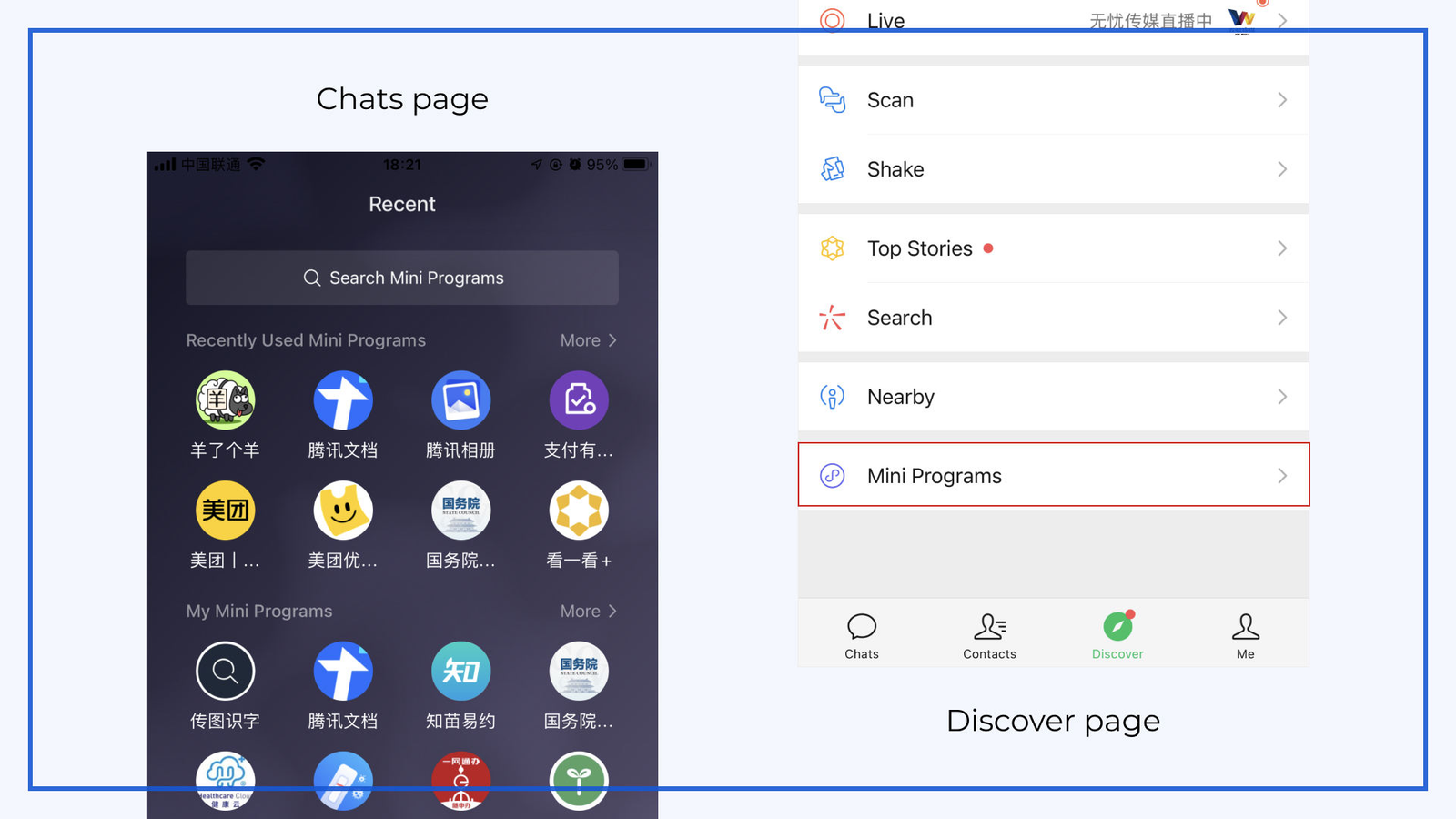
What Are WeChat Mini Program Ticketing Events?
WeChat mini program ticketing events are live or scheduled experiences, such as concerts, festivals, exhibitions, sports matches, and workshops, where tickets are sold and managed inside a mini program, a lightweight app that runs within WeChat itself. Instead of sending buyers to an app store or an unfamiliar website, organizers meet them in the chat app they already open dozens of times a day. Discovery, payment, and entry all happen in one continuous flow that feels fast, familiar, and surprisingly effortless for everyone involved.
The model works for nearly every kind of event. A boutique art show can publish a single ticket tier in minutes, while a large festival can offer early-bird passes, VIP packages, and group bundles. Compared with a traditional ticketing website, a mini program feels native to the platform and loads quickly. Compared with a standalone app, it removes the biggest barrier of all: convincing busy people to download, register, and remember yet another application before they can buy a single ticket to your event.
Why Organizers Choose Mini Programs for Ticketing
Reach is the first and strongest reason for most organizers. WeChat sits at the center of daily life for a vast audience in China, handling messaging, social sharing, content, and payments in one place. When your event lives inside that environment, a poster scanned on the street, an article read on an Official Account, or a card forwarded in a group chat can turn into a confirmed purchase within seconds, without forcing anyone to leave the app, install anything, or create a new account.
Convenience and data come next. WeChat Pay is built into the experience, which shortens checkout and reduces abandoned carts, especially on mobile screens where patience runs thin. Viral sharing helps too, since attendees can forward an event card to friends in a single tap. Behind the scenes, organizers can see which channels drive sales, which ticket tiers sell fastest, and where buyers hesitate. That visibility turns planning from guesswork into a repeatable process, helping you price smarter, promote better, and improve every future edition of your event with real evidence instead of assumptions.
Essential Features of a Ticketing Mini Program
A dependable ticketing mini program starts with clear event pages. Buyers should see the title, date, venue, schedule, ticket tiers, prices, and refund rules at a glance, all readable on a small screen. Clarity here directly improves conversion. Flexible ticket types matter as well: early bird, general admission, VIP, and group bundles let you serve different budgets. If your venue has assigned seating, an interactive seat map helps people choose confidently and cuts down the number of support questions your team must answer.
The backend deserves equal attention. Look for secure payments, simple refunds, e-tickets with QR codes, and an order dashboard that shows sales in real time. Many events also need real-name verification, coupons, referral rewards, and controlled ticket transfers to discourage scalping. Analytics and multi-language support become important if you expect international attendees. Together, these capabilities make the purchase journey feel effortless for buyers, from the first tap to the final scan, while giving your team the control, visibility, and flexibility required to run a smooth, professional event.
How to Set Up Ticketing for Your Event
Begin by choosing your approach: a third-party ticketing mini program for speed, or a custom build for control. Next, confirm the account and business requirements. Registering a mini program, completing verification, and enabling WeChat Pay usually involve business qualifications, and the exact rules vary by organizer type and region. Check WeChat’s official documentation before fixing a launch date, and consult a local legal or compliance advisor early, because event approvals and licensing in mainland China can add time you did not plan for.
Then design a short, transparent purchase flow. Every extra field costs you buyers, so ask only for what you need, show final prices upfront, and publish refund terms before checkout. Test the whole journey on real devices, including payment, refunds, and QR scanning, before you go live. Compare vendors by category rather than headline price: development, platform fees, payment processing, and ongoing maintenance. Ask about security, scalability during traffic spikes, support hours, and who owns the customer data once the event ends.
Promoting Your Event and Selling More Tickets
Promotion works best when every channel leads to the same mini program. Publish detailed Official Account articles, share teasers in Moments and groups, and post short videos on WeChat Channels. Print QR codes on posters, flyers, and partner materials so offline attention converts into online sales with one scan. Influencer partnerships, early-bird pricing, and group-buy offers add momentum, while clear, keyword-rich titles and descriptions help your mini program appear when people search inside WeChat for something to do. Consistency across channels builds trust.
Conversion depends on craft. Write natural, localized Chinese copy rather than literal translations, and use sharp visuals that show the venue, lineup, or highlights from past editions. Create honest urgency with limited-time offers or remaining-ticket counters, and add social proof such as reviews and photos. Prepare for peak demand as well: if a popular on-sale will draw thousands at once, load-test your system and consider queues or timed release windows so your wechat mini program ticketing events stay stable and fair when it matters most.
Check-In and Common Challenges
Entry day is where good ticketing proves itself. QR scanning should be fast and reliable, with dynamic codes that refresh to discourage screenshots and duplicate entry. If the event requires real-name entry, brief staff on how to verify identification quickly so queues keep moving. Test scanners in the actual venue beforehand, since crowded halls can weaken signals, and keep an offline fallback, such as a synced attendee list, with extra staff ready to handle exceptions away from the main line. Capacity limits and clear signage help too.
Several challenges appear again and again. Scalping can be reduced with real-name ticketing, per-user purchase limits, and controlled transfers. Traffic spikes call for scalable infrastructure and a rehearsed on-sale. Payment failures and refund disputes shrink when policies are clear and support responds quickly. Overseas organizers face added hurdles in language, compliance, and settlement of funds, which a trusted local provider or agency can often solve. Whatever your situation, document your processes and review platform rules regularly, because guidance that works this quarter may need adjusting next year.
Conclusion
WeChat mini program ticketing events combine reach, convenience, and data in a way few other channels can match. This combination explains why the format keeps growing. Attendees enjoy a fast, no-download path from discovery to entry, while organizers gain flexible tools for pricing, promotion, check-in, and analysis. The result is a smoother experience on both sides of the ticket, and a stronger chance that first-time buyers become loyal regulars who return, recommend your events to friends, and buy early whenever you announce the next edition.
Your next step is straightforward. Decide whether to build or buy, confirm account and compliance requirements, design a short purchase flow, and plan a multi-channel promotion. Start small if you must, measure everything, and improve with each event. Small, steady experiments beat big, risky leaps. Remember that platform rules, fees, and regulations change, so recheck official WeChat documentation before major decisions and update your plans as the ecosystem evolves. With careful preparation, your first launch can become the foundation for many successful events to come.
You may also read: How Old Is Malachi Barton
FAQs About WeChat Mini Program Ticketing Events
What is a WeChat Mini Program for ticketing?
It is a lightweight app that runs inside WeChat, where users discover events, choose tickets, pay, and receive e-tickets without installing anything. Think of it as a pocket-sized box office that never closes. Organizers use it to manage sales, promotions, and entry, while attendees enjoy a quick, familiar experience inside the app they already open every day. Because everything happens in one place, buyers face fewer steps, and organizers gain clearer data about what is working across channels and where improvements are needed.
Do overseas organizers need a Chinese business entity?
Requirements depend on the account type, payment setup, and event category. Mainland entities usually have the smoothest path, while overseas organizers often work through a third-party ticketing provider, a local agency, or a partner with an established presence in China. Each route has trade-offs in fees, control, and settlement of funds. Because rules change, confirm current requirements in WeChat’s official documentation, request references from organizers who have run similar events, and consult a local adviser before you launch. Taking this step early prevents expensive surprises.
How do QR code tickets and check-in work?
After purchase, the attendee’s e-ticket displays a QR code inside the mini program. Staff scan it with a verification tool at the entrance, the system confirms that the ticket is valid, and the entry is marked as used. Dynamic codes and real-time syncing help prevent duplicate entry and screenshot sharing, while an offline fallback keeps lines moving if the venue’s network weakens. Testing scanners and training staff before doors open makes the whole process feel quick, calm, and professional for every guest in the queue.
Is a mini program better than a standalone ticketing app?
For many events, yes, mainly because it removes the download barrier and rides on WeChat’s built-in audience and payments. A standalone app offers more control and brand ownership, which suits large, long-term operators with the budget to drive installs. Smaller and mid-sized organizers usually get faster results and lower friction from a mini program, since buyers can complete a purchase within moments of discovering the event, without registration hurdles or storage-space worries. Some larger teams eventually combine both approaches as their audience and budget grow.








Post Comment