Introduction
Anyone who has watched rabbits demolish a vegetable patch overnight, or worried about rodents slipping into a chicken coop, understands why a dependable wire barrier matters. Fencer wire 19 gauge galvanized hardware cloth has become a go-to solution for homeowners, gardeners, and small-scale farmers who need a fencing material that is tough enough to stop pests yet flexible enough to shape by hand. Its combination of durability and practicality makes it one of the most versatile mesh products available for outdoor use today.
This article breaks down what makes this hardware cloth worth considering, from its construction and technical specifications to the many ways it can be used around a property. Whether you are protecting a raised garden bed, securing a coop, or sealing off a crawl space vent, understanding the strengths of fencer wire 19 gauge galvanized hardware cloth will help you decide if it fits your next project. We will also cover installation basics, buying considerations, and answer common questions readers often have about this product.
Understanding 19 Gauge Galvanized Hardware Cloth
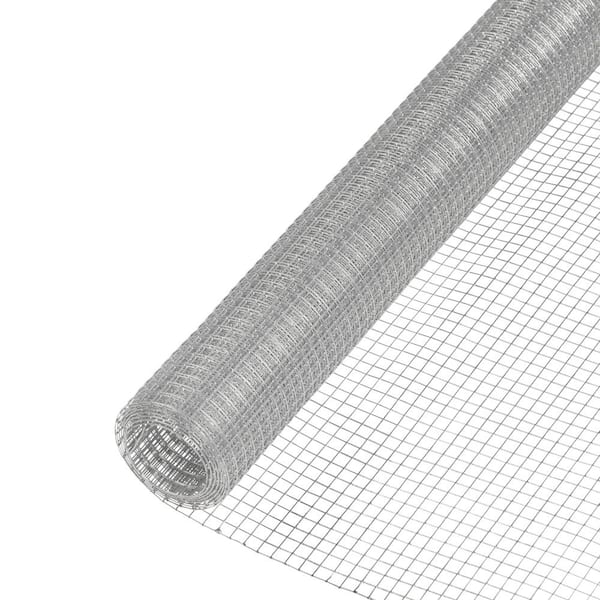
Hardware cloth occupies a useful middle ground between lightweight chicken wire and rigid welded fence panels. It is a mesh made of woven or welded steel strands, prized for its small, uniform openings that block pests while still letting light, air, and water pass through freely. This makes it a practical choice for enclosures where visibility and airflow matter just as much as security, such as coops, garden beds, and vent covers around the home.
The number “19 gauge” refers to the thickness of the wire itself, and in wire gauge measurements, a lower number indicates a thicker strand. Nineteen gauge sits in a sweet spot: thick enough to resist bending, chewing, and general wear, but still workable enough to cut and shape without heavy machinery. This balance is a major reason fencer wire 19 gauge galvanized hardware cloth appeals to both casual DIYers and experienced builders tackling larger fencing projects.
The term “galvanized” describes the protective zinc coating applied over the steel wire. This coating acts as a barrier against moisture, preventing the base metal from rusting when exposed to rain, humidity, or soil contact. Without this treatment, plain steel wire would deteriorate quickly outdoors. Thanks to galvanization, this hardware cloth can be installed in gardens, animal enclosures, and other exposed locations while maintaining its strength and appearance for years at a stretch.
Standout Features and Specifications
The 1/2 inch mesh opening is one of the defining characteristics of this hardware cloth. Openings this size are tight enough to keep out mice, snakes, and many other small intruders, yet open enough to avoid blocking sunlight, airflow, or drainage. This makes the mesh especially useful in situations where you need protection without sacrificing ventilation, such as garden bed liners, coop walls, or vent screens around a house’s foundation.
Each roll comes in generous 36 inch by 50 foot dimensions, offering enough material to complete medium and even large-scale projects without constantly piecing together shorter sections. This size works well for fencing garden perimeters, wrapping raised beds, or lining the walls of a chicken run, reducing the number of seams and joints that could otherwise become weak points in a finished structure over time.
When compared with other gauge options, 19 gauge strikes a favorable balance of strength and workability. Thicker wire, such as 16 gauge, offers more rigidity but is harder to cut and shape by hand, while thinner options like 23 gauge are easier to manipulate but sag or bend more easily under pressure. Fencer wire 19 gauge galvanized hardware cloth sits comfortably between these extremes, making it a dependable all-purpose choice for most residential fencing needs.
Practical Uses Around the Home and Garden
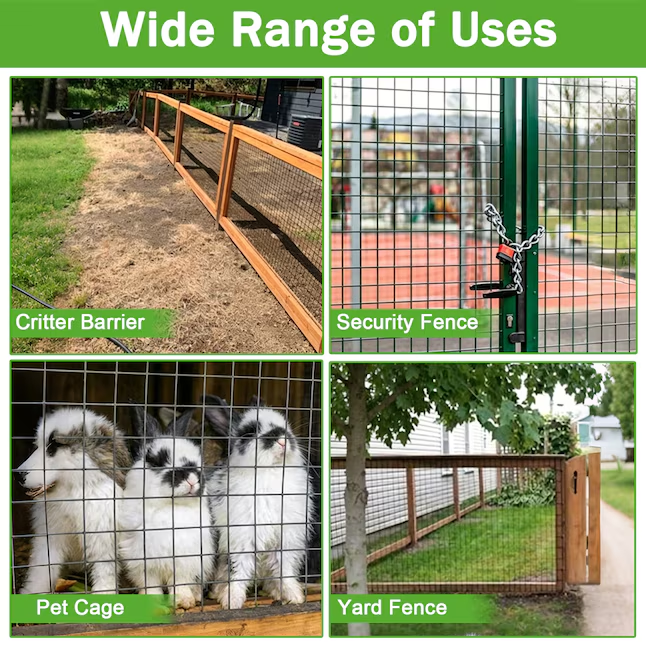
Gardeners frequently turn to this hardware cloth to shield raised beds and container gardens from burrowing rodents, digging animals, and curious pets. Lining the bottom and sides of a garden bed creates a physical barrier that keeps roots protected without interfering with drainage or plant growth. Because the material resists rust, it can remain buried or exposed to damp soil conditions for multiple growing seasons without losing its structural integrity.
Poultry keepers rely heavily on this type of mesh when building or reinforcing chicken coops and runs. The tight 1/2 inch openings are small enough to prevent weasels, rats, and snakes from squeezing through and reaching eggs or birds, offering peace of mind that lighter mesh options simply cannot match. The same qualities make it suitable for rabbit hutches, aviaries, and other small animal housing where predator exclusion is a top priority.
Beyond animal care, this hardware cloth serves many practical purposes throughout a home. It is commonly used to cover foundation vents, crawl space openings, and dryer vents to keep pests from entering the house. Homeowners also use it to reinforce dog kennels, cover compost bins, and build custom plant supports or decorative garden fencing, proving just how adaptable a single roll of fencer wire 19 gauge galvanized hardware cloth can be.
Why This Hardware Cloth Stands Out
The galvanized zinc coating is the primary reason this wire mesh performs so reliably outdoors. Rather than corroding after a single rainy season, the coating shields the steel core from oxidation, allowing the material to maintain its strength and appearance across multiple years of exposure to rain, humidity, and soil contact. This translates into a fencing investment that continues doing its job long after cheaper, uncoated alternatives would have failed.
The 19 gauge thickness gives the mesh an excellent strength-to-flexibility ratio, allowing homeowners to bend, fold, and staple it into custom shapes without needing specialized equipment. Paired with the generous 36 by 50 foot roll size, this creates a cost-effective way to cover large areas efficiently, whether you are fencing an entire garden perimeter or wrapping several sides of an animal enclosure in a single continuous piece of material.
Because quality galvanized coatings are designed to resist flaking and leaching, this hardware cloth is also considered a safer option to use around pets, poultry, and edible plants compared to poorly coated alternatives. This combination of safety, strength, and long-term durability explains why fencer wire 19 gauge galvanized hardware cloth continues to earn strong loyalty among gardeners, homesteaders, and general DIY enthusiasts alike.
Installing and Working With the Mesh
Before starting any project, gather a few basic tools: heavy-duty wire cutters or tin snips, protective gloves, safety glasses, and a staple gun or fencing pliers for attaching the mesh to wood or metal frames. Having the right tools on hand makes cutting, bending, and securing the material significantly easier, while also reducing the risk of injury from sharp cut edges along the wire.
When installing, measure the area you need to cover and cut the mesh slightly larger than required, leaving extra material to fold over edges for a clean, snag-free finish. If you need to join multiple sections, overlap the seams by a few inches and fasten them securely at regular intervals to prevent sagging, gaps, or pests finding their way through weak points in the barrier over time.
Handling galvanized wire safely means wearing gloves at all times, since freshly cut edges can be quite sharp. For the best long-term results, avoid installations where the mesh sits continuously in standing water, as prolonged moisture exposure can eventually wear down even a strong zinc coating. Periodically inspect installed sections for scratches or worn spots where the protective coating may have been compromised.
Choosing the Right Hardware Cloth for Your Project
Start by matching the mesh opening size to the specific pest or animal you are trying to manage. A 1/2 inch opening works well for general rodent and small predator exclusion, but projects involving very small chicks, insects, or extremely determined pests may call for a tighter mesh pattern to provide adequate protection against unwanted intrusions.
Wire gauge should also factor into your decision, based on how much stress the fencing will endure. Lightweight garden trellising can often use thinner wire without issue, but enclosures meant to withstand persistent predators benefit from the added strength found in fencer wire 19 gauge galvanized hardware cloth, which offers a dependable balance between rigidity and ease of handling for most residential applications.
Finally, take time to calculate how much material your project actually requires before making a purchase. A single 36 by 50 foot roll covers substantial ground, but larger fencing jobs may call for multiple rolls. Measuring your project area in advance, and accounting for overlaps and trimming waste, helps you avoid running short mid-project or overspending on more material than necessary.
Conclusion
From shielding garden beds to securing chicken coops and blocking pest entry points around the house, 19 gauge galvanized hardware cloth proves itself as a genuinely versatile material suited to countless outdoor and home improvement projects. Its rust-resistant coating, combined with a practical wire thickness, makes it a smart long-term investment rather than a short-lived fix that needs replacing every season.
Whether you are a first-time gardener tackling a small raised bed or an experienced homesteader building out a full predator-proof enclosure, fencer wire 19 gauge galvanized hardware cloth delivers the reliability, flexibility, and generous coverage needed to handle the job with confidence. It is a practical addition to any toolkit for keeping a property safe, secure, and free from unwanted pests.
You may also read: How to Clean Terracotta Tiles: The Complete Guide (Indoor & Outdoor)
FAQs
What is 19 gauge hardware cloth used for? It is commonly used for garden bed protection, chicken coop and animal enclosure construction, pest exclusion around vents and foundations, and a wide range of DIY fencing or craft projects that call for a sturdy, small-opening wire mesh material.
Is galvanized hardware cloth rust-proof? It is highly rust-resistant thanks to its zinc coating, though not permanently immune to corrosion. With proper installation, occasional inspection, and avoidance of constant standing water, it can resist rust effectively for many years, even in outdoor environments.
What size mesh is best for keeping rodents out? A 1/2 inch mesh opening is generally effective for blocking mice, rats, and similarly sized pests, while still allowing airflow, drainage, and visibility, which makes it a popular choice for most residential exclusion projects.
Can I use hardware cloth for a chicken coop? Yes, hardware cloth is widely used in coop and run construction because it keeps predators like weasels, snakes, and rats out while still allowing ventilation, and it holds up far better under pressure than standard chicken wire.
How long does galvanized hardware cloth last outdoors? With quality galvanization and reasonable care, it can last anywhere from several years to over a decade outdoors, depending on local climate conditions, exposure to moisture, and how consistently the installation is maintained over time.
What is the difference between hardware cloth and chicken wire? Hardware cloth is stiffer, stronger, and features smaller, more uniform openings compared to the twisted, hexagonal pattern typical of chicken wire, making it far better suited for keeping out persistent or burrowing pests and predators.
Can hardware cloth be cut with regular scissors? No, standard household scissors are not suitable for this material. Heavy-duty wire cutters, tin snips, or bolt cutters are recommended for safely and cleanly cutting galvanized hardware cloth down to the size your project requires.
Is 1/2 inch mesh safe for small pets and poultry? Yes, this mesh size is generally considered safe and effective for containing small pets and poultry while blocking predators, though extra caution is advised when housing very small chicks or particularly delicate young animals.
How much hardware cloth do I need for a raised garden bed? This depends entirely on the bed’s dimensions, but measuring the perimeter and base area beforehand, then adding a bit extra for overlaps and trimming, ensures you purchase enough material without significant leftover waste.
Does hardware cloth need a frame for support? For larger installations, attaching hardware cloth to a wood or metal frame significantly improves stability and longevity, though smaller, low-stress projects can sometimes rely on the mesh’s own inherent rigidity without additional framing.