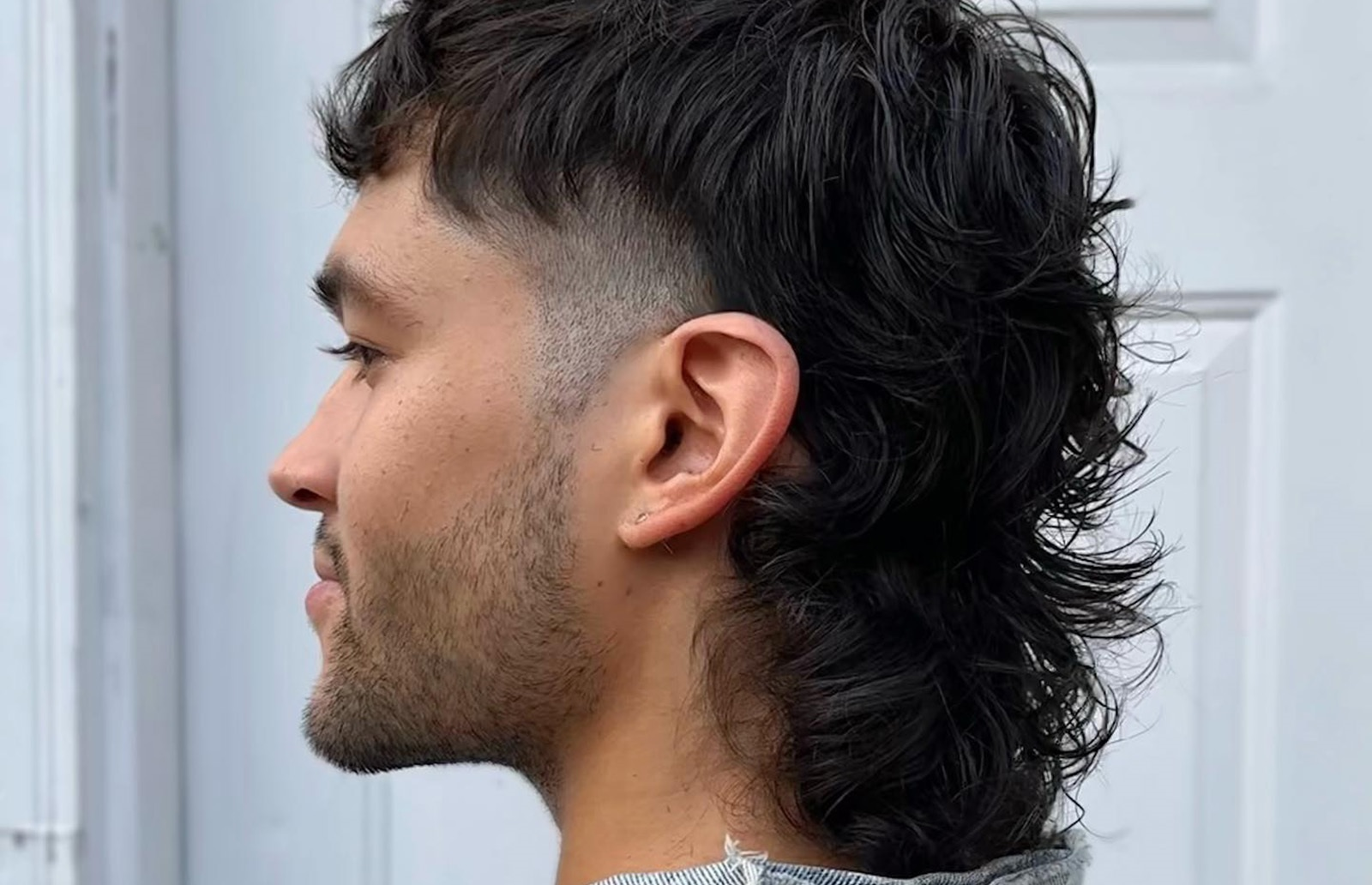
A straight hair mullet is one of the most striking cuts in modern hairstyling. It pairs a short, textured top with a longer back, and straight strands make that contrast look crisp and deliberate. This guide explains what the cut is, who it suits, how to ask for it, and how to style and maintain it every day.
What a Straight Hair Mullet Really Is
A straight hair mullet keeps the top and sides shorter while letting the back grow noticeably longer. Because straight hair has no curl pattern to soften the transition, the shape reads clean and graphic. Light moves along the strands, so the layers look polished, and the cut feels modern instead of costume-like or purely nostalgic.
The mullet has traveled a long road, from a fashion statement of past decades to a social media favorite today. Modern versions are far more refined than the classic, with tapered sides, soft layering, and thoughtful blending. Compared with wavy or curly mullets, a straight version depends heavily on precise cutting and good styling habits, since there is less natural texture to hide small mistakes.
Who Suits This Cut Best
Hair texture and thickness matter most. Medium to thick straight hair holds the shape well, because layers stack neatly and the back keeps its weight. Fine or thin hair can still carry a straight hair mullet, but it benefits from light layering and volume products so the longer lengths do not collapse into a stringy line against the neck.
Face shape and lifestyle also play a part. Oval and square faces usually wear the cut easily, while round or long faces can benefit from adjusted height on top and side length. Think about your workplace, your daily routine, and your patience for growth, because most people need a few months of length before a stylist can shape the proportions properly.
Styles Worth Trying
Variety is the cut’s greatest strength. The classic version is short on top with a clearly longer back, while a modern mullet trims that back for a subtler finish. A long mullet leans dramatic and bold, and a mullet with bangs softens the face. Each option changes how loud the haircut feels, so choose the one that fits your personality.
For sharper looks, try a mullet fade with tapered or skin-faded sides. The layered shullet blends shag texture with mullet shape and suits anyone who wants plenty of movement. Women often choose softer, feathered versions with longer face-framing pieces. Whichever you pick, bring reference photos and consider your hair density, because the same style can behave very differently on thin and thick strands.
Preparing for the Salon and Talking to Your Stylist
Preparation prevents disappointment. Collect photos from the front, side, and back, then decide how much length you want on top and at the nape. Notice natural growth patterns such as cowlicks or a strong parting, since they affect how the layers fall. Most importantly, choose a stylist who has cut mullets before, and ask to see examples of their previous work.
In the chair, describe the cut in plain language. Mention tapered sides, a textured top, and a layered, longer back, then show your photos so nothing is lost in translation. Ask what suits your hair type, and confirm the lengths before cutting begins. Clear communication is the simplest way to protect your result and avoid awkward surprises when the mirror comes out.
How to Get the Look Step by Step
Begin by growing your hair to at least three or four inches on top, with enough length at the back to create contrast. Trim split ends along the way so the foundation stays healthy. Then book the cut, review your plan with the stylist, and ask for a slightly longer start if you feel unsure, since hair can always be shortened later.
At home, wash with a gentle shampoo and a lightweight conditioner, then towel-dry and apply a heat protectant. Blow-dry the top upward with a brush for lift, and dry the back downward for smoothness. Work a pea-sized amount of texture spray, light mousse, or matte pomade through the strands, starting at the roots and finishing at the ends.
Finally, shape each section. Lift the top with your fingers, tuck or smooth the sides, and let the back fall naturally or flick it slightly outward. Check the mirror from several angles, then set everything with a flexible-hold hairspray. Avoid stiff formulas, because they fight the natural movement that makes a straight hair mullet look relaxed and modern.
Styling Variations and Essential Tools
One haircut can wear many moods. For a sleek, polished finish, smooth the hair with a flat brush and a drop of shine serum. For a messy, textured version, scrunch in sea salt spray and let it air-dry. Slicking the top back adds a bold, retro-inspired twist, and tying the back into a small half-up style keeps it out of the way on busy days.
The right tools make every variation easier. A quality blow dryer, a round or paddle brush, and a wide-tooth comb cover most needs, while a flat iron should be used sparingly. Choose lightweight products such as texture spray, sea salt spray, and flexible-hold hairspray, and skip heavy gels that leave straight hair looking greasy. Always apply heat protectant first to prevent long-term damage.
Maintenance and Mistakes to Avoid
Maintenance keeps the shape looking intentional. Plan a trim every four to eight weeks, depending on how fast your hair grows, so the back stays tidy and the layers keep their balance. Condition the ends regularly, avoid over-washing, and use a weekly mask for softness. A silk pillowcase also reduces friction, which helps the longer lengths stay smooth and shiny between salon visits.
Several mistakes can undermine the cut. Choosing a style that ignores your hair type, using too much product, relying on high heat daily, and skipping trims are the most common. Poor communication with the stylist is another frequent problem. Treat the haircut as a process rather than a one-day transformation, and give your hair time to grow into the proportions that suit you.
Conclusion
A straight hair mullet blends nostalgia with modern precision, and it rewards people who prepare well. Choose a style that suits your hair texture and face shape, communicate clearly with your stylist, and follow a consistent routine for washing, drying, and styling. Small daily habits make the biggest difference in how polished the cut looks over time.
With patience, the right products, and regular trims, the cut can feel effortless every day. Save this guide, share it with a friend who is curious about the trend, and bring it to your next appointment. Your best straight hair mullet may be closer than you think, and the first step is simply booking the consultation.
You may also read: WYO Meaning in Text
Frequently Asked Questions
Can you get a mullet with straight hair?
Yes. Straight hair works very well for a mullet because it creates a sleek, clean contrast between the shorter top and the longer back. Layering and a little texture product add movement, so the cut looks intentional instead of flat or rigid. A skilled stylist can adjust the layers to match your hair thickness and face shape.
How long does hair need to be?
Most stylists suggest at least three to four inches on top, plus enough length at the back to create clear contrast. The exact amount depends on the style you choose, so ask your stylist to assess your hair before you start growing it. Healthy ends and even growth make the final shape far easier to achieve.
Does it work on thin or fine hair?
It can, with a few adjustments. A stylist can add light layers to create the look of fullness, and lightweight mousse or texture spray helps prevent the hair from falling flat. Avoid heavy waxes and gels, which can make fine strands look greasy. Regular trims also keep thin ends from looking stringy.
How often should you trim a mullet?
Plan a trim every four to eight weeks, depending on how quickly your hair grows and how sharp you like the shape. Regular trims keep the back tidy, remove split ends, and preserve the contrast between the short top and the longer lengths. Skipping appointments is the fastest way to lose definition.