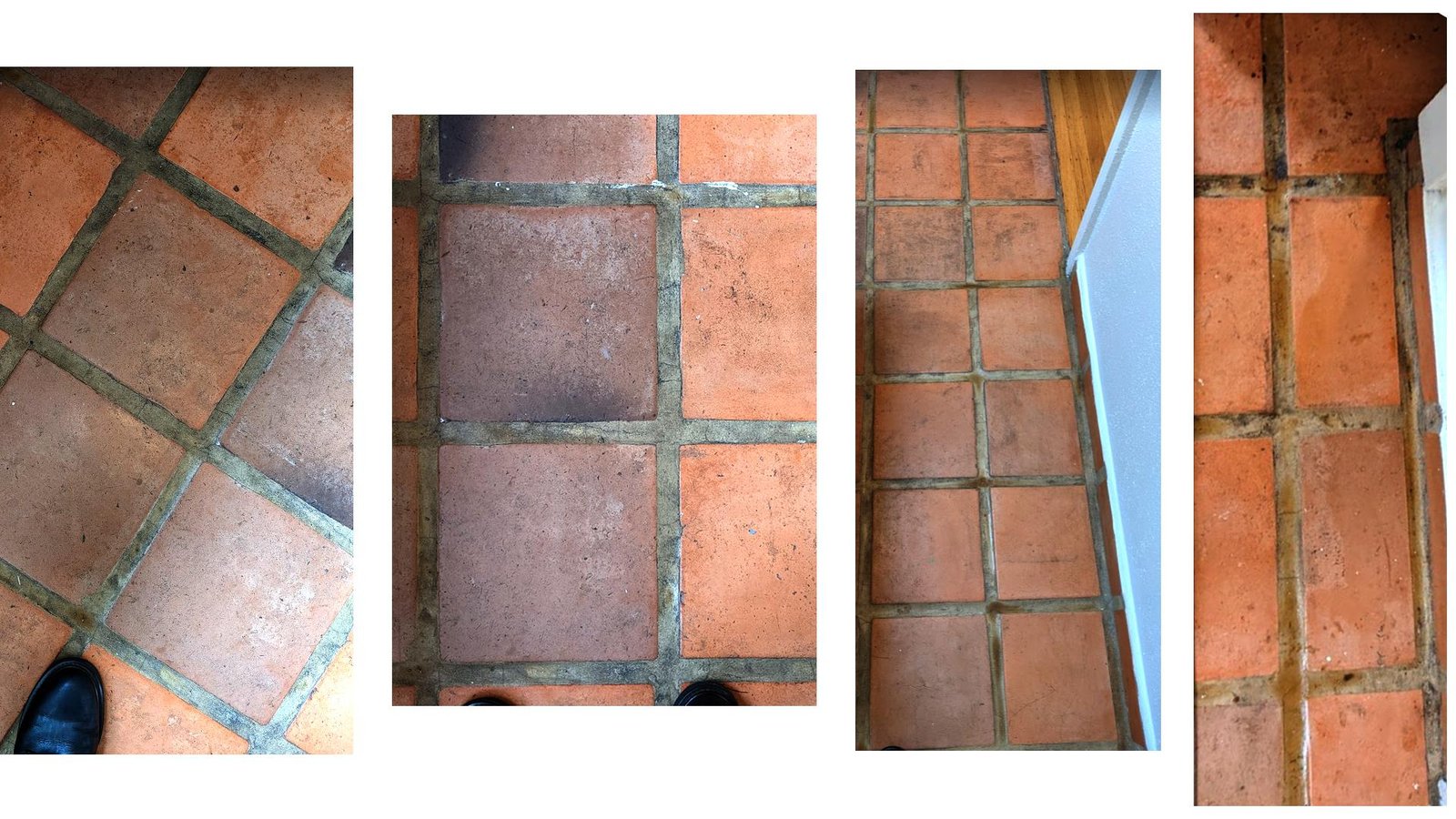
Terracotta floors carry a warmth and handcrafted character that few other materials can replicate, which is exactly why so many homeowners fall for them at first sight. That same rustic charm, however, comes with a trade-off: terracotta is far more sensitive than porcelain or ceramic, and the wrong cleaning habits can leave it dull, blotchy, or permanently stained. Learning how to clean terracotta tiles properly isn’t about scrubbing harder or reaching for the strongest chemical on the shelf — it’s about understanding what this porous, natural clay actually needs. This guide covers everything from daily upkeep to full restoration, giving you a routine that keeps your floors glowing for decades rather than fading within a single season.
Understanding Terracotta Before You Clean It
Unlike glazed ceramic or porcelain, terracotta is raw, fired clay with no protective glass layer sealing it off from the world. It behaves more like a natural sponge than a solid surface, capable of absorbing up to 15% of its own weight in water. That single characteristic explains why liquids, chemicals, and everyday grime don’t just sit on top of the tile — they get pulled inward, which is why the wrong product can cause lasting damage far faster than most people expect.
Before you clean a single tile, it’s worth figuring out whether your floor is sealed or unsealed, and whether it lives indoors or outdoors. Sealed indoor tiles generally tolerate a bit more moisture and everyday wear, while unsealed or handmade outdoor terracotta demands a noticeably gentler approach. Skipping this basic assessment is the most common reason people unintentionally damage their floors while trying to keep them clean, so it deserves a few extra minutes before you start.
Essential Supplies for Terracotta Tile Care
You don’t need a cabinet full of specialty chemicals to care for terracotta properly — you need a small, well-chosen set of tools. A soft-bristle broom or a vacuum fitted with a hard-floor brush attachment, a pH-neutral stone cleaner, several microfiber cloths, and a wet vacuum for deeper cleaning sessions will handle nearly every situation this material throws at you throughout the year, from routine dust to stubborn buildup.
It’s just as important to know what to leave out of your routine entirely. Vinegar, bleach, ammonia, citrus-based cleaners, and steel wool all have the potential to etch, discolor, or gradually strip away terracotta’s natural finish, even when used with good intentions. Keep baking soda or talcum powder nearby for grease emergencies, along with a proper tile sealer and stripper for long-term maintenance, and you’ll rarely find yourself unprepared for whatever your floor needs.
Daily and Weekly Maintenance That Actually Works

Grit is terracotta’s quiet, persistent enemy. Every time bare feet or shoes track sand, dust, or small debris across the surface, those particles behave like fine sandpaper, gradually dulling the tile’s natural glow. A quick daily sweep or a gentle vacuum pass using a soft brush attachment — never a hard plastic head, which can scratch — prevents this slow erosion before it ever becomes visible or noticeable to the eye.
Once a week, follow that daily habit with a damp mop using a pH-neutral cleaner diluted in lukewarm water. Wring the mop until it’s only barely damp, clean in small manageable sections, and dry each area immediately with a microfiber cloth. Avoid hot water altogether, since it can soften old sealers hiding beneath the surface and leave behind a hazy film that ironically attracts even more dirt over time, undoing your effort.
Cleaning Terracotta Tiles Indoors
Indoor terracotta faces different challenges depending on which room it’s in, which is why a single generic cleaning method rarely works well everywhere. Kitchens deal primarily with cooking oil, food splatters, and grease buildup near stovetops, while bathrooms bring constant moisture, steam, and soap scum into the equation. Recognizing how to clean terracotta tiles for each specific room helps you target the actual problem instead of applying the same routine blindly across the whole house.
Showers and bathroom floors deserve particularly close attention, since standing water is one of terracotta’s biggest long-term threats. Wipe down damp areas after every use, keep the space properly ventilated to reduce lingering humidity, and inspect grout lines regularly for early signs of mold or mildew forming. Catching moisture problems early prevents the kind of deep, set-in staining that becomes nearly impossible to fully reverse later on.
Cleaning Terracotta Tiles Outdoors
Outdoor terracotta contends with an entirely different set of conditions, including rain, dirt, fallen leaves, and organic growth like moss, algae, or lichen that indoor floors simply never encounter. For routine outdoor cleaning, a stiff soft-bristle brush paired with a garden hose is usually sufficient, provided you work in manageable sections and avoid aggressive pressure-washing, which can strip away the tile’s protective finish over time.
Seasonal timing also plays a meaningful role in keeping outdoor terracotta in good condition year-round. A thorough clean after winter helps clear away salt residue and accumulated grime, while a pre-summer refresh prepares the surface for heavier foot traffic ahead. Pay close attention to drainage as well, since pooling water on patios or walkways accelerates staining and can gradually weaken the tile’s structure if left unaddressed.
Removing Stains and Spills Without Damage
Grease and oil stains respond particularly well to a simple, low-risk poultice method. Cover the affected spot generously with baking soda or talcum powder and let it sit for several hours, or up to a full 24 hours for especially stubborn marks, before brushing or vacuuming the residue away. This gentle process draws the oil out of the porous clay rather than pushing it deeper into the surface.
Vinegar remains a genuinely contested topic in terracotta care circles. Some sources suggest a heavily diluted vinegar solution for cutting through grease, while others warn it can react with unsealed or handmade tiles and cause visible etching over time. When in doubt, it’s safer to skip vinegar altogether and rely on a pH-neutral cleaner instead, always spot-testing any new product in a hidden corner before treating a larger stained area.
Deep Cleaning a Neglected or Very Dirty Floor
When regular sweeping and mopping no longer restore the tile’s natural glow, it’s a sign your floor needs a more thorough intervention. Warning signs include a persistently dull or flat finish, grime embedded in low-traffic corners, or a floor that simply hasn’t received proper attention in years. A dedicated stone cleaner applied generously, then gently agitated with a soft brush or a low-speed buffer, lifts ground-in dirt that routine mopping alone can never fully reach.
The real difference between a deep clean and everyday maintenance comes down to extraction. Rather than spreading dirty water around with a standard mop, use a wet vacuum to pull it up completely, which prevents grime from simply being redistributed across the surface. Once finished, allow the floor to dry fully for 24 to 48 hours before even considering the next step of resealing.
Stripping and Resealing for Long-Term Protection
Old wax or sealer that has turned cloudy, patchy, or noticeably thin is a clear signal that your terracotta needs to be stripped and redone properly. Apply a dedicated tile stripper or a heavy-duty degreaser, agitate gently with a soft brush or buffer, and rinse thoroughly to remove every last trace of residue before moving forward with any new protective coating.
Full drying time here is genuinely non-negotiable, since rushing a reseal onto damp terracotta traps moisture beneath the surface and creates problems that surface weeks or months later. Choose a sealer specifically rated for your setting, whether indoor or outdoor, and in the matte or glossy finish you prefer, then commit to resealing periodically to keep that protective layer strong and effective.
Preventive Habits That Extend Tile Life
The easiest way to master how to clean terracotta tiles long-term is to simply reduce how dirty they get in the first place. Doormats placed at every entry point catch grit and debris before it ever reaches the floor, while felt pads under furniture legs prevent scratches caused by everyday movement, rearranging, or dragging chairs across the surface during daily use.
Make it a habit to wipe up spills the moment they happen rather than letting them sit and soak in, and build in a quick seasonal walkthrough to catch small issues early — a fading sealer, a stubborn stain, or a persistently damp corner — before they turn into larger, more expensive problems. Consistent small habits ultimately matter far more than occasional intensive cleaning sessions.
Conclusion
Terracotta rewards patience and a thoughtful routine far more than it rewards aggressive scrubbing or harsh chemical shortcuts. The core rules stay simple throughout: skip the acids, avoid soaking the surface, and never reach for hot water. Whether you’re maintaining an indoor kitchen floor or an outdoor patio exposed to the elements, matching your approach to the tile’s location and sealing status is what keeps that rich, handcrafted look intact for years to come. Bookmark this guide, share it with anyone restoring a neglected terracotta floor, and return to it whenever your seasonal routine needs a refresh.
You may also read: SSkndan Discover the Latest, Explore What Matters.
FAQs
What is the best cleaner for terracotta tiles? A pH-neutral stone or tile cleaner diluted in lukewarm water is widely considered the safest and most effective choice available. It cleans thoroughly and lifts everyday grime without gradually breaking down the clay’s natural surface the way acidic or overly harsh chemical cleaners tend to after repeated, long-term use.
How do I make terracotta tiles shiny again? Start by deep cleaning the floor to remove embedded grime and old residue, then let it dry completely before applying a fresh coat of appropriate sealer. In most cases, a worn or missing sealer layer is the actual reason terracotta looks flat and dull rather than glossy.
How do I maintain my terracotta tiles long-term? Sweep daily, damp mop weekly with a pH-neutral cleaner, address spills the moment they occur, and reseal periodically based on wear. This simple, consistent routine prevents the gradual buildup and surface damage that eventually lead to costly deep cleaning or full restoration work later on.
How do I get rid of stains on terracotta tiles? For grease and oil marks, apply baking soda or talcum powder and let it sit for several hours before brushing it away completely. For other types of stains, use a pH-neutral cleaner and always spot-test in an inconspicuous corner first before treating the visible area.
Can I use vinegar to clean terracotta tiles? Only in a heavily diluted form, and even then with real caution, since vinegar can react with unsealed or handmade tiles and cause visible etching over time. A pH-neutral cleaner remains the generally safer and more reliable option for most terracotta surfaces.
How do I clean terracotta tiles naturally, without harsh chemicals? Lukewarm water, a soft-bristle broom, and baking soda for occasional stains cover the vast majority of natural cleaning needs. These gentle methods are safe enough for regular daily use while still keeping the porous surface genuinely free of dirt and buildup.
How often should terracotta tiles be sealed? This depends heavily on foot traffic and weather exposure, but most indoor floors benefit from resealing roughly every one to three years. Outdoor tiles typically need more frequent attention due to constant exposure to rain, sun, and temperature changes throughout the year.
Is it safe to use baking soda on terracotta tiles? Yes, baking soda is genuinely one of the gentlest and most effective options for lifting grease and oil stains without risking damage to the tile’s delicate surface. It has become a reliable staple in most terracotta cleaning routines for exactly this reason.
How do I clean terracotta tiles in a shower without mold buildup? Wipe down the tiles after every use, ensure the bathroom stays properly ventilated, and check grout lines regularly for early warning signs. Addressing lingering moisture immediately remains the single most effective way to prevent mold and mildew from ever taking hold.
What’s the difference between cleaning indoor vs. outdoor terracotta tiles? Indoor tiles primarily deal with grease, everyday foot traffic, and bathroom moisture, while outdoor tiles face weather exposure, organic growth like moss or algae, and drainage-related issues. Outdoor terracotta generally requires sturdier tools and more seasonal attention throughout the year.