Firewood Processor: How Better Workflow Planning Supports Consistent Firewood Production
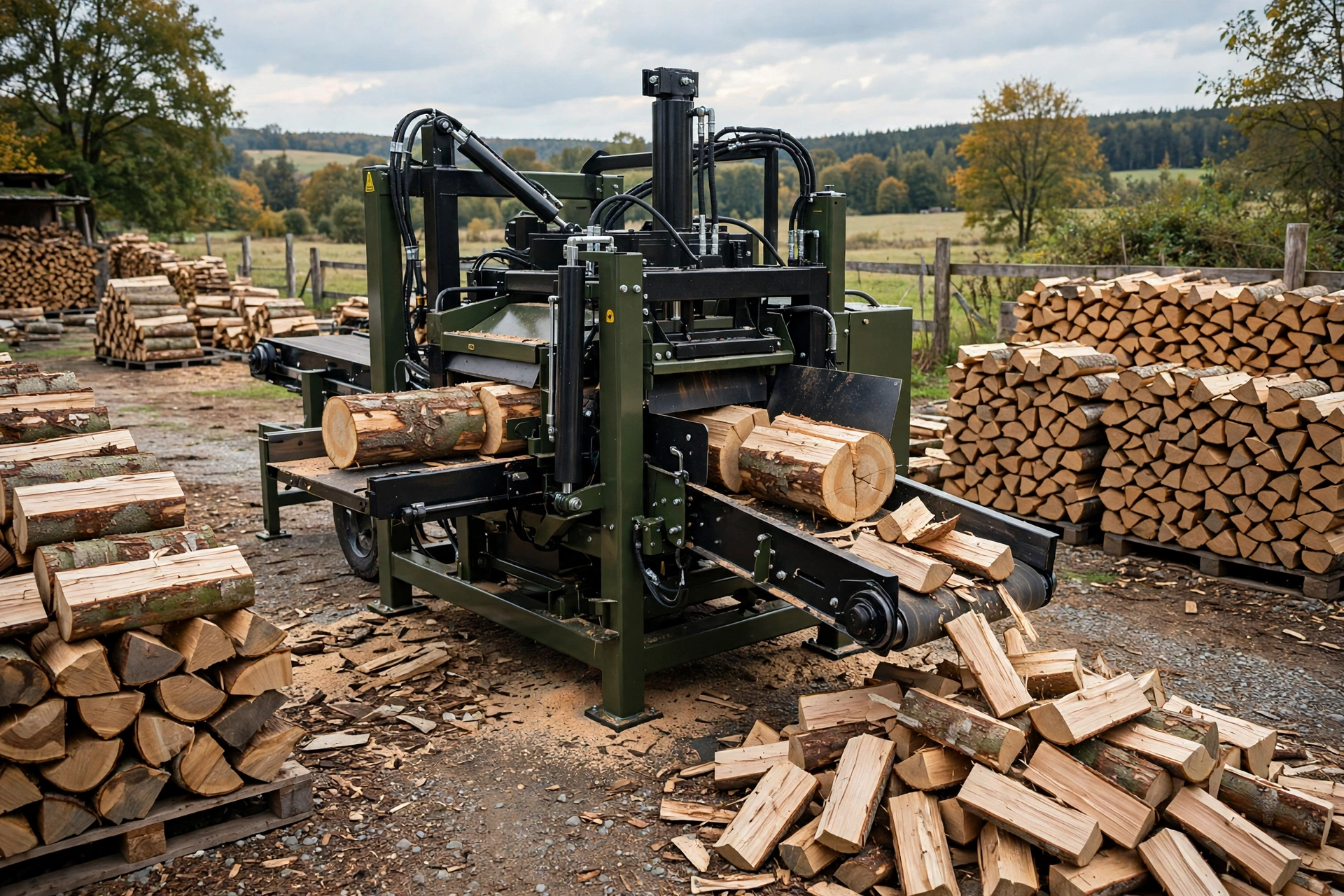
Efficient firewood preparation depends on more than cutting and splitting logs quickly. Every stage of the process, from timber selection to finished wood storage, affects overall productivity. A firewood processor can support a coordinated workflow, but equipment performance is only one part of creating an effective operation. Careful planning helps operators reduce interruptions, improve material movement, and maintain consistent working practices throughout the processing season.
Begin With a Clear Production Plan
Before starting machinery, determine how much timber needs to be processed and where finished wood will be stored. The available workspace should support safe movement between incoming timber, processing equipment, and collection areas.
Organize Incoming Logs
Sort logs according to diameter, length, and visible condition. Separate unusually crooked or damaged pieces that may require special handling. This preparation helps operators maintain a predictable processing sequence.
Establish Suitable Cutting Lengths
Consistent firewood lengths simplify stacking and storage. Determine the required dimensions before beginning production. Use appropriate equipment adjustments to maintain accuracy throughout the workday.
Understand the Main Processing Stages
A firewood processor typically combines important timber preparation functions into a connected sequence. Understanding how these stages interact helps operators identify potential bottlenecks.
Log Feeding
The feeding stage positions timber for cutting. Logs should enter the system within the manufacturer's approved dimensional limits. Operators must keep clear of moving components and follow safe loading procedures.
Cutting Operations
Cutting systems divide logs into manageable lengths. Cutting performance depends on timber condition, component sharpness, and correct equipment adjustment. Regular inspections help maintain consistent operation.
Splitting Operations
The splitting stage separates cut sections into smaller pieces. Wood species, knots, and grain direction influence splitting resistance. Equipment must be operated within its approved capacity.
Improve Material Movement
Finished firewood should move away from the processing area without creating congestion. Accumulated pieces can interrupt operations and increase unnecessary manual handling.
Plan the Discharge Area
Choose a collection location with sufficient space for expected output. Keep pathways clear and prevent unstable piles from developing near machinery. If additional handling equipment is used, ensure it is compatible with the processing arrangement.
Measure Productivity Realistically
Production efficiency should be evaluated using actual operating conditions. Maximum output figures may not reflect irregular timber, operator breaks, maintenance, or material handling delays.
Identify Common Bottlenecks
Observe where work slows down. Frequent interruptions during feeding may indicate poor log preparation. Delays during discharge may suggest that finished material is not being removed efficiently. Addressing these issues can improve workflow without increasing operating speed.
Establish Consistent Safety Procedures
Firewood processing involves cutting mechanisms, hydraulic pressure, and moving timber. Operators should understand equipment controls and emergency stopping procedures. Protective guards must remain installed and functional.
Prepare for Maintenance Safely
Before cleaning, inspecting, or repairing equipment, follow manufacturer shutdown and energy-isolation instructions. Never reach into cutting or splitting areas while machinery is energized. Maintain appropriate protective equipment and clear communication among workers.
Support Long-Term Equipment Reliability
Preventive maintenance helps reduce unexpected interruptions. Inspect hydraulic connections, cutting components, fasteners, and moving mechanisms regularly. Remove accumulated debris when equipment is safely stopped. Maintenance records can help identify developing mechanical problems. Those researching firewood processing machinery and local equipment information should also consider maintenance accessibility and operating documentation.
Conclusion
A firewood processor can contribute to efficient wood preparation when supported by thoughtful workflow planning. Organized timber feeding, consistent cutting, effective splitting, and controlled material removal all influence daily performance. By combining suitable equipment with safe operating procedures and preventive maintenance, operators can create a dependable firewood production process that remains productive throughout changing workloads and seasonal conditions.








Post Comment