Furnace Repair – How to Keep Your Home Warm and Safe During Winter
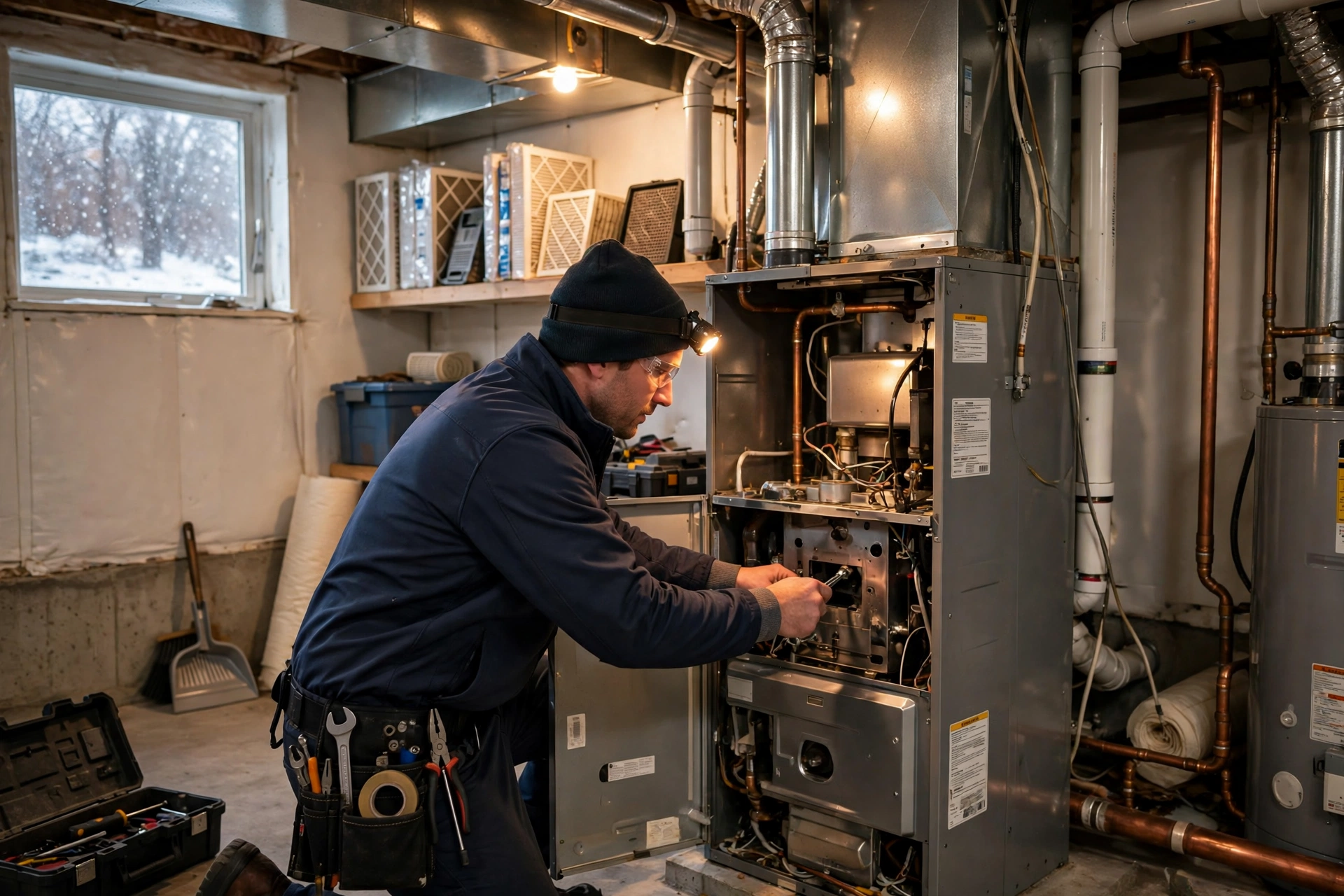
A reliable furnace makes a noticeable difference when temperatures drop. It keeps indoor spaces comfortable, protects plumbing from freezing, and helps maintain a consistent living environment. However, even a well-maintained heating system can develop problems after years of regular use. Understanding when to seek furnace repair can prevent minor mechanical issues from becoming serious heating failures. Recognizing early warning signs, understanding common problems, and scheduling timely attention can also help extend the lifespan of your equipment.
Understanding Common Furnace Problems
Heating systems contain several components that must work together to distribute warm air throughout a home. When one component struggles, overall performance may decline.
Uneven Heating Throughout the House
Some rooms may feel warmer than others despite the thermostat remaining at a consistent setting. This problem can develop because of restricted airflow, blocked vents, dirty filters, or malfunctioning internal components. Before assuming the furnace has failed, check whether furniture obstructs supply registers and whether the air filter needs replacement. If temperature differences continue, professional furnace repair may be necessary to identify the underlying cause.
Unusual Noises During Operation
Furnaces normally produce some sound when starting and running. However, loud banging, grinding, rattling, or persistent squealing may indicate mechanical trouble. Loose panels, worn bearings, or problems with the blower assembly can produce unfamiliar noises. Ignoring these sounds may allow additional damage to develop, making early investigation important.
Frequent Heating Cycles
A furnace that repeatedly turns on and off without completing normal heating cycles may have an airflow restriction, thermostat issue, or safety-control problem. Frequent cycling can reduce comfort and place unnecessary strain on internal components. A qualified technician can determine whether the issue requires adjustment, cleaning, or furnace repair.
Why Timely Furnace Repair Matters
Delaying heating problems rarely improves the situation. Small performance issues can gradually affect other parts of the system.
Maintaining Energy Efficiency
When heating equipment operates correctly, it can maintain the desired temperature without unnecessary cycling or extended operation. Dirty components, airflow restrictions, and malfunctioning controls may increase energy consumption. Addressing these issues helps restore more consistent performance.
Preventing Unexpected Breakdowns
A furnace may continue operating even when a component begins to deteriorate. Unfortunately, the problem can become more serious during periods of heavy heating demand. Timely furnace repair reduces the likelihood that a manageable issue will turn into an unexpected loss of heat.
Supporting Household Safety
Gas-fired heating equipment requires particular attention because combustion and ventilation problems can create safety hazards. A yellow or unstable burner flame, soot accumulation, or unusual combustion smells should be evaluated by a qualified professional. If a carbon monoxide alarm activates, leave the building immediately and contact emergency responders from a safe location.
When Should You Schedule Furnace Repair?
Not every heating concern requires emergency attention, but persistent performance changes should not be ignored. Common warning signs include: The furnace runs but produces insufficient heat. Airflow from supply vents becomes noticeably weaker. The thermostat setting does not match indoor comfort. Heating cycles become unusually frequent or prolonged. Strange noises or unfamiliar odors appear during operation. If these problems continue after basic checks, arranging a local heating system inspection can help determine the appropriate next steps.
How to Reduce Future Furnace Problems
Preventive habits can help heating equipment operate more reliably throughout winter.
Replace Air Filters Regularly
Dirty filters restrict airflow and force the blower to work harder. Check filters regularly and replace them according to their condition and manufacturer guidance.
Keep Heating Vents Clear
Avoid blocking registers with furniture, rugs, or storage items. Proper airflow supports balanced heating and reduces unnecessary strain.
Schedule Seasonal Inspections
A professional inspection before winter can identify worn components, airflow concerns, and potential safety issues. Routine maintenance does not eliminate every breakdown, but it can reduce preventable problems.
Conclusion
A dependable furnace contributes to comfort, efficiency, and household safety throughout the colder months. Recognizing unusual noises, uneven temperatures, weak airflow, and irregular heating cycles allows homeowners to respond before problems become more serious. By combining regular maintenance with timely furnace repair, homeowners can improve heating reliability, protect essential equipment, and enjoy a more comfortable indoor environment during winter.






Post Comment