Copper Stock – Understanding Investment Potential and Market Opportunities
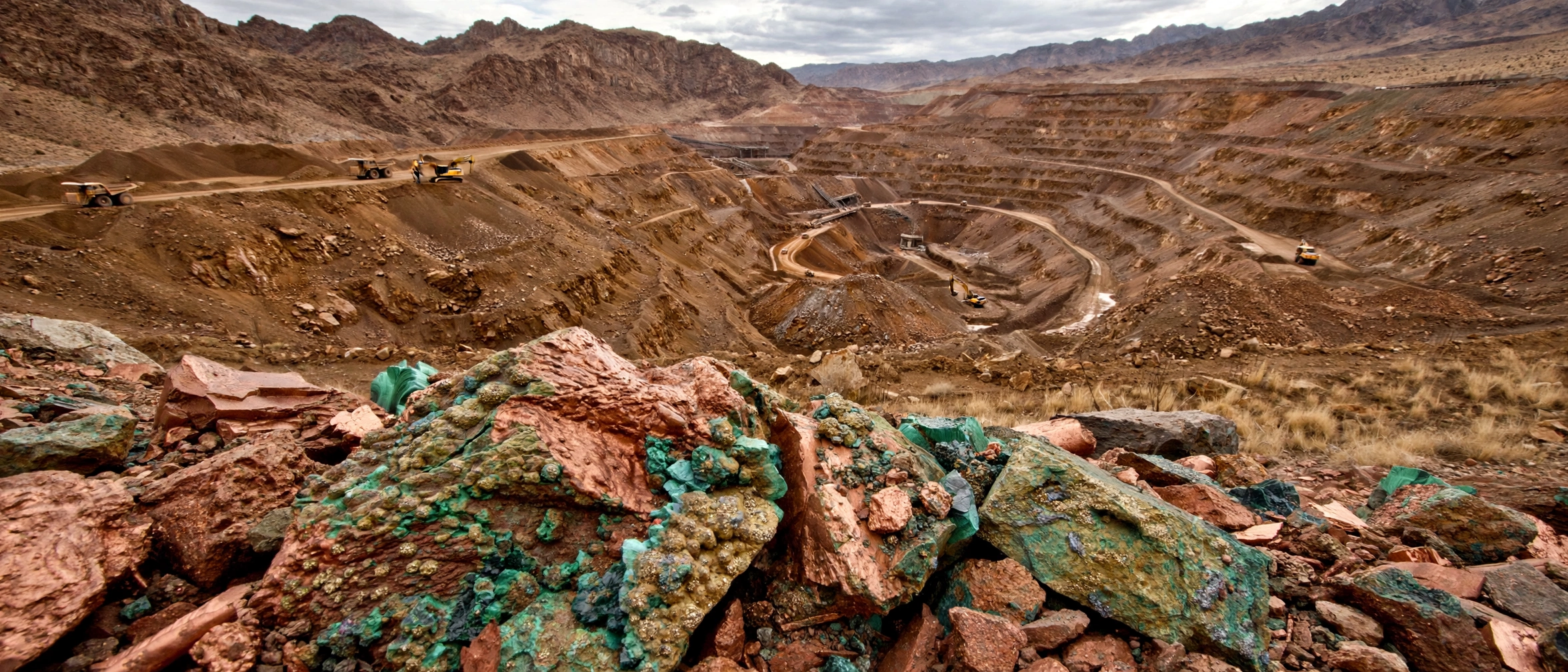
Copper plays a vital role in modern infrastructure, industrial development, and energy transformation. As global industries expand their dependence on this essential metal, interest in copper-related investments continues to grow. For investors seeking exposure to natural resources, understanding the fundamentals of a copper stock can provide valuable insight into long-term market opportunities. However, successful investing requires more than recognizing strong demand. Investors must understand production economics, market cycles, operational challenges, and financial stability before making decisions.
Why Copper Matters in the Global Economy
Copper is widely used because of its excellent electrical conductivity, durability, and versatility. Its applications extend across construction, transportation, telecommunications, and power infrastructure.
Infrastructure Development Supports Demand
Urban expansion creates demand for electrical wiring, power distribution networks, and transportation systems. Developing economies require substantial amounts of copper to support residential construction and industrial facilities. Meanwhile, established economies continue upgrading aging infrastructure. These projects help maintain copper consumption even when certain sectors experience slower growth.
Energy Transformation Creates New Opportunities
Renewable energy systems and electric transportation require extensive electrical infrastructure. Copper supports energy transmission, charging networks, and efficient power distribution. As electrification progresses, long-term consumption patterns may strengthen. Nevertheless, future demand depends on technology adoption, investment levels, and economic conditions.
Understanding Copper Stock Performance
A copper stock represents ownership in a business involved in copper exploration, development, or production. Its market performance depends on several interconnected factors. Copper prices often influence investor expectations. Rising commodity prices can improve potential revenue, particularly when production expenses remain stable. However, higher copper prices do not automatically guarantee stronger financial performance. Operating costs, project delays, financing requirements, and management decisions can significantly affect results.
Production Costs and Operating Efficiency
Mining operations face expenses associated with labor, equipment, energy, transportation, and environmental compliance. Efficient operations may maintain healthier margins during unfavorable commodity cycles. Investors should examine whether production costs remain manageable under different market conditions.
Resource Quality and Development Potential
The quality of mineral resources influences operational feasibility and future expansion opportunities. Important considerations include mineral grade, geological characteristics, extraction methods, and infrastructure availability. Higher resource estimates may appear attractive, but commercial viability depends on technical and economic assessments.
Evaluating Financial Strength
Financial stability deserves careful attention when examining resource-sector investments. Businesses with manageable debt and adequate liquidity may be better positioned to navigate market downturns. Conversely, operations requiring substantial additional financing may face dilution or financial pressure. Investors should evaluate available financial statements, capital commitments, and funding requirements.
Cash Flow and Capital Expenditure
Mining development often requires significant upfront investment before production begins. Understanding capital expenditure helps investors assess whether projected returns justify financial commitments. Cash flow projections should also account for uncertainty surrounding construction schedules and operating performance.
Risks That Investors Should Consider
Copper investments involve several risks beyond ordinary market volatility. Commodity prices fluctuate with economic growth, industrial demand, currency movements, and global supply conditions. Environmental requirements, permitting processes, technical difficulties, and unexpected operating expenses can also influence project outcomes. Geographic concentration creates another consideration. Operations located within a single region may face greater exposure to local regulatory or infrastructure disruptions.
Building a Balanced Investment Approach
Investors should avoid relying exclusively on short-term commodity movements. Instead, a disciplined approach considers business fundamentals, financial resilience, and long-term industry trends. Diversification can help reduce exposure to individual operational challenges. Regular portfolio reviews also allow investors to respond when market conditions or investment assumptions change.
Maintaining Realistic Expectations
Copper markets experience periods of expansion and contraction. Even businesses with promising resources may encounter setbacks. A suitable investment strategy should reflect personal financial objectives, risk tolerance, and investment horizon.
Conclusion
A copper stock can offer exposure to industrial growth, infrastructure development, and expanding electrification. Yet potential opportunities come with commodity volatility and operational uncertainty. By examining financial strength, resource quality, production efficiency, and broader market conditions, investors can make more informed decisions. Long-term success depends on careful research, realistic expectations, and consistent risk management.
Disclaimer
This article is for informational purposes only and does not constitute investment or financial advice. Stock prices and market conditions can change quickly, and past performance does not guarantee future results. Please do your own research or consult a licensed financial advisor before making any investment decision.








Post Comment