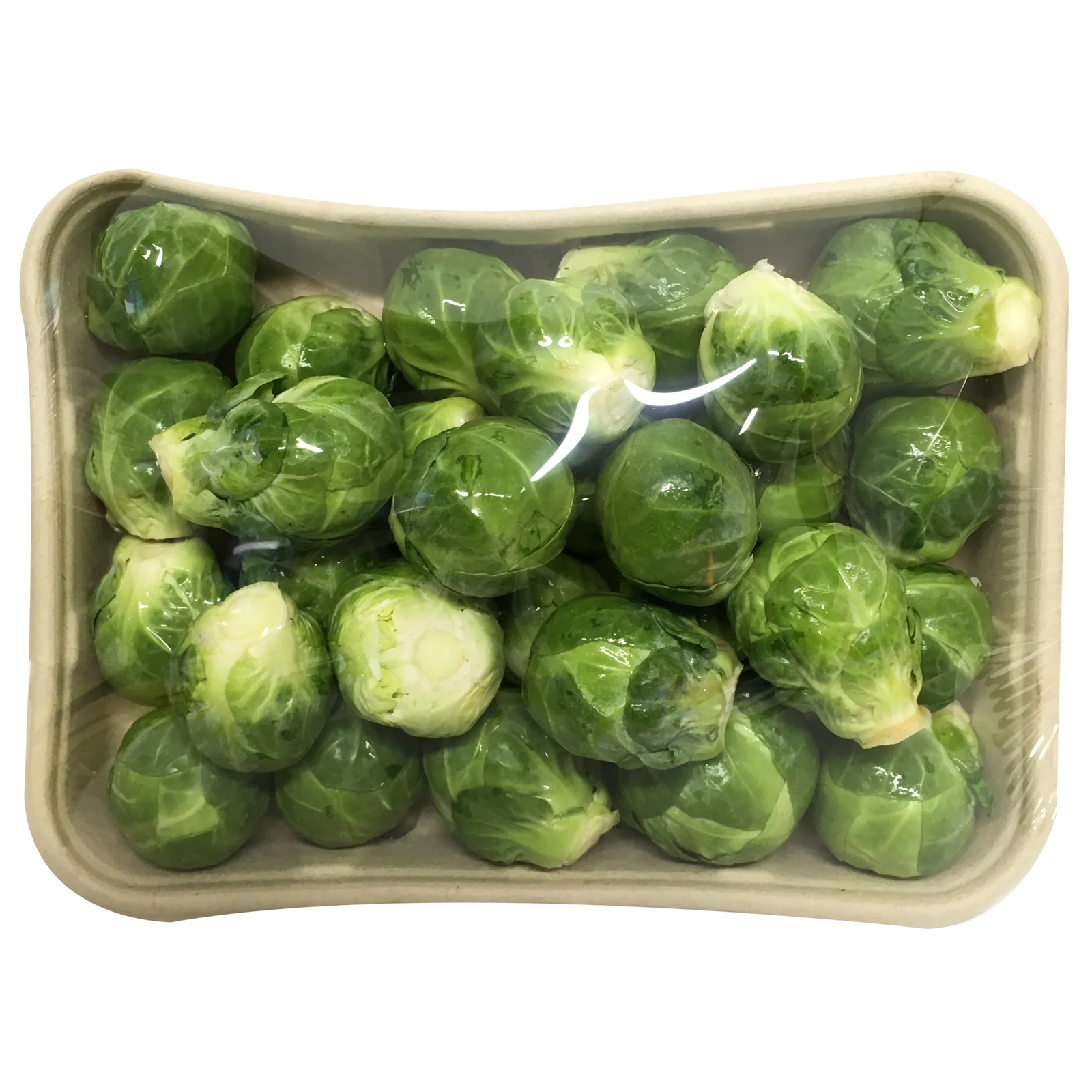
Planning your grocery budget? Understanding the current price of brussels sprouts helps you make smarter purchasing decisions while maintaining nutritional quality. These versatile green vegetables have become staples in health-conscious households, yet prices fluctuate significantly based on season, retailer, and product format. Whether you’re shopping for fresh, frozen, or organic varieties, this comprehensive guide reveals real market data to maximize your grocery savings and ensure you’re getting genuine value for every dollar spent on these nutritious vegetables.
Current Market Pricing Overview
The current price of brussels sprouts in 2025 ranges dramatically depending on where and when you shop. Fresh whole brussels sprouts at major retailers average $1.00 to $1.50 per pound, though prices can dip to $0.45 per pound during peak season availability or climb above $1.78 per pound in off-season months. Aldi consistently leads the value race at approximately $3.29 per package, translating to roughly $1.30 per pound and making them a go-to destination for budget-conscious shoppers seeking quality produce without premium pricing. Walmart offers competitive pricing in the $2.59 to $3.57 range per package, giving customers multiple discount options across most American markets. Understanding these baseline prices establishes expectations and helps you identify genuine bargains when promotional pricing appears.
Wholesale pricing tells a different story for bulk purchasers and families planning larger-scale meal preparation. Costco members access bulk brussels sprouts at approximately $1.34 per pound for 25-pound cartons, representing meaningful savings compared to retail alternatives. This wholesale-adjacent pricing justifies membership fees for households consuming brussels sprouts regularly or freezing peak-season quantities for year-round use. Premium retailers like Whole Foods command substantially higher prices, with organic brussels sprouts reaching $5.99 to $7.99 per pound, catering to environmentally conscious consumers prioritizing sustainability over cost optimization. Regional variations mean pricing fluctuates further based on production proximity and local retail competition.
Fresh versus Frozen: Understanding Value Differences
Fresh brussels sprouts deliver superior versatility for culinary applications, supporting roasting, sautéing, and raw preparations that showcase texture and natural flavor profiles. However, this freshness premium costs significantly more than frozen alternatives, with retail packages averaging $2.59 to $3.57 while maintaining only three to five weeks of optimal storage. The freshness window requires consumption planning to prevent waste and spoilage, making fresh purchases most economical for households consuming brussels sprouts multiple times weekly. Quality indicators including firm outer leaves, compact head formation, and vibrant green coloring justify premium pricing for specific culinary applications requiring presentation excellence and textural precision.
Frozen brussels sprouts represent exceptional value for budget-conscious consumers and busy families prioritizing convenience and extended storage capability. Flash-frozen varieties like Bird’s Eye average $3.59 per 10.8-ounce package, delivering superior per-ounce value compared to fresh alternatives while preserving nutritional integrity completely. Frozen options eliminate trimming waste and prevent spoilage concerns, enabling families to purchase larger quantities during peak pricing periods and consume gradually throughout off-season months when fresh pricing escalates dramatically. Nutritional testing demonstrates frozen brussels sprouts maintain vitamin content equivalently to fresh varieties when properly flash-frozen at harvest ripeness, making them scientifically optimal for health-conscious consumers prioritizing cost efficiency.
Seasonal Pricing Patterns and Timing Strategy
Brussels sprout pricing demonstrates predictable seasonal variation offering substantial savings opportunities for strategic shoppers. Peak season spans November through March, delivering prices 25 to 40 percent below off-season rates as abundant harvests flood markets. November and December represent absolute lowest-price windows, coinciding perfectly with holiday cooking seasons and maximum supply availability from northern hemisphere producers thriving in cool-weather cultivation. During this golden window, the current price of brussels sprouts plummets, making this ideal timing for bulk purchasing and freezing significant quantities for subsequent months when availability decreases and pricing escalates dramatically.
Off-season pricing from June through August creates the opposite scenario, with fresh brussels sprout prices often doubling or tripling peak-season costs due to limited domestic production and increased reliance on imports. Understanding this predictable cycle empowers shoppers to implement strategic preservation methods capturing peak-season value for twelve-month consumption. Freezing peak-season brussels sprouts using simple blanching techniques maintains quality and enables consumption flexibility throughout expensive off-season months. Households implementing seasonal purchasing strategies report annual vegetable cost reductions of thirty to forty percent compared to consistent retail purchasing throughout the year.
Shopping Smart: Where to Find Best Values
Aldi emerges as the consistent value leader for brussels sprouts shopping, combining competitive pricing with consistent quality standards and convenient delivery options. Their streamlined supply chain and no-frills approach eliminate marketing overhead, translating directly into lower consumer prices compared to full-service grocers maintaining broader product selections. Walmart provides runners-up pricing with expanded geographic availability and multi-format shopping including online delivery and in-store pickup options for time-constrained shoppers. Warehouse clubs like Costco justify membership investments for families committing to bulk purchasing strategies and significant storage capacity planning.
Farmers markets and local grocery stores often surprise shoppers with competitive pricing, particularly during peak seasons when abundant supply enables direct-from-grower sales avoiding middleman markups. Building relationships with individual farmers enables pre-ordering, bulk purchasing discounts, and advance notification of optimal picking periods. Digital coupon apps including Ibotta and store loyalty programs provide additional savings opportunities through manufacturer promotions and retailer-specific digital discounts. Comparing prices across multiple channels before major purchases identifies genuine bargains rather than assuming single retailers consistently offer optimal value.
Storage Methods and Preservation Techniques
Proper storage dramatically extends brussels sprout freshness and justifies peak-season bulk purchasing strategies. Refrigerator crisper drawers at optimal humidity levels maintain brussels sprout quality for three to five weeks, far exceeding typical shopping cycles for price-conscious households. Removing damaged outer leaves before storage protects inner leaves and improves longevity significantly. Avoiding storage near ethylene-producing fruits like apples and avocados prevents premature spoilage triggered by ripening gas exposure common in household refrigerators.
Freezing represents the optimal preservation method for capturing peak-season value and enabling year-round brussels sprout consumption at minimal cost. Simple blanching in boiling water for three to four minutes followed by rapid ice-bath cooling prevents enzymatic degradation and maintains nutritional density completely. Frozen brussels sprouts maintain quality for six to eight months when properly stored in airtight freezer containers or vacuum-sealed bags. This preservation strategy enables purchasing large quantities during November-December when the current price of brussels sprouts reaches annual lows, then consuming gradually through expensive summer months without quality compromise.
Making Brussels Sprouts Budget-Friendly
Simple preparation methods maximize appeal while minimizing ingredient costs and supporting consistent household consumption. Roasting with minimal olive oil and seasoning delivers exceptional flavor complexity without expensive additions. Shredding raw brussels sprouts for salads creates diverse dishes from single purchases. Creating vegetable stock from trimmings adds depth without ingredient expense. Combining brussels sprouts with affordable staple ingredients including rice, beans, and budget proteins creates complete, nutritious meals justifying their place in regular meal planning.
Batch cooking during peak season creates ready-to-heat meals supporting convenient off-season consumption while reducing takeout temptation. Freezing cooked brussels sprout dishes enables families to maintain consistent consumption patterns regardless of seasonal availability and pricing changes. Strategic seasonal purchasing combined with diverse preparation techniques ensures brussels sprouts contribute meaningfully to nutritional goals without compromising household budgets. Involving family members in shopping, cooking, and meal planning builds positive vegetable relationships supporting lifelong healthy eating patterns and sustained preference for these nutritious cruciferous vegetables.
Conclusion: Smart Shopping for Nutritional Excellence
Understanding the current price of brussels sprouts empowers strategic purchasing decisions balancing budget constraints with nutritional priorities. Peak-season bulk purchasing and proper freezing techniques reduce annual vegetable costs by thirty to forty percent compared to casual shopping patterns. Identifying preferred retailers through comparative shopping and loyalty program enrollment creates consistent savings habits supporting long-term budget optimization. Digital coupon utilization, seasonal awareness, and efficient storage combine to maximize value across all purchasing scenarios.
Brussels sprouts deliver exceptional nutritional density and health benefits justifying their regular inclusion in household meal planning. Vitamin K, vitamin C, fiber, and beneficial plant compounds support long-term wellness regardless of price point. Even premium-priced brussels sprouts provide superior value compared to processed alternatives and restaurant dining options. Making brussels sprouts a strategic staple through informed purchasing, creative preparation, and consistent consumption ensures both financial prudence and nutritional excellence supporting household health and sustainability throughout 2025 and beyond.
You may also read: Crouching Tiger Hidden Dragon Buffet
Frequently Asked Questions
What is the average current price of brussels sprouts per pound in 2025?
The current price of brussels sprouts typically ranges from $0.45 to $1.78 per pound depending on retailer, season, and product format. Standard fresh brussels sprouts at conventional retailers average $1.00 to $1.30 per pound, while frozen varieties cost 20 to 30 percent less per ounce. Organic options command substantially higher premiums at $5.99 to $7.99 per pound, reflecting certification costs and sustainable farming practices. Peak-season December pricing offers optimal value for budget-conscious shoppers, while summer off-season months demonstrate highest pricing due to limited domestic supply.
Where can I find the cheapest brussels sprouts?
Aldi consistently offers the best overall value at approximately $3.29 per package, translating to competitive per-pound pricing. Walmart provides comparable pricing at $2.59 to $3.57 per package across most locations. Warehouse clubs like Costco deliver bulk pricing at $1.34 per pound for 25-pound cartons justifying membership investments for large households. Local discount grocers and ethnic markets frequently undercut national chains through direct distributor relationships and lower overhead structures, particularly during promotional pricing periods.
Are frozen brussels sprouts cheaper than fresh options?
Frozen brussels sprouts typically offer superior per-ounce value compared to fresh varieties. Bird’s Eye and store-brand frozen options average $3.59 per 10.8-ounce package, delivering approximately thirty to forty percent better value per pound than fresh alternatives. Frozen varieties eliminate trimming waste and spoilage concerns, effectively reducing functional cost when accounting for preparation losses. Nutritional testing confirms frozen brussels sprouts maintain vitamin content equivalently to fresh varieties, making them scientifically optimal for budget and health-conscious consumers simultaneously.
Why do organic brussels sprouts cost so much more?
Organic brussels sprouts cost four to seven times more than conventional varieties due to stricter growing requirements prohibiting synthetic pesticides and fertilizers, increased labor investments, lower per-acre yields, and certification audit expenses. Consumers selecting organic options prioritize environmental sustainability and chemical residue reduction over price optimization. The organic certification process requires documented growing practices, soil testing, and supply-chain verification, creating administrative overhead reflected directly in consumer pricing.
When should I buy brussels sprouts for lowest pricing?
Peak season from November through March offers substantially lower pricing, with November and December delivering absolute annual lows. During peak season, shoppers enjoy twenty-five to forty percent savings compared to off-season months. Strategic bulk purchasing and freezing during this window enables consumption of high-quality produce at minimal cost throughout expensive summer months when limited domestic supply drives pricing significantly higher.
How long do fresh brussels sprouts stay fresh?
Fresh brussels sprouts maintain optimal quality for three to five weeks in refrigerator crisper drawers with proper humidity management. This storage window justifies bulk peak-season purchases for families implementing regular consumption patterns or freezing for extended preservation. Proper storage including damaged leaf removal and separation from ethylene-producing fruits maximizes freshness duration significantly.