Grape Pie Recipe: Easy Homemade Concord Grape Pie from Scratch
Last updated: November 2026
Why Grape Pie Deserves a Spot on Your Dessert Table
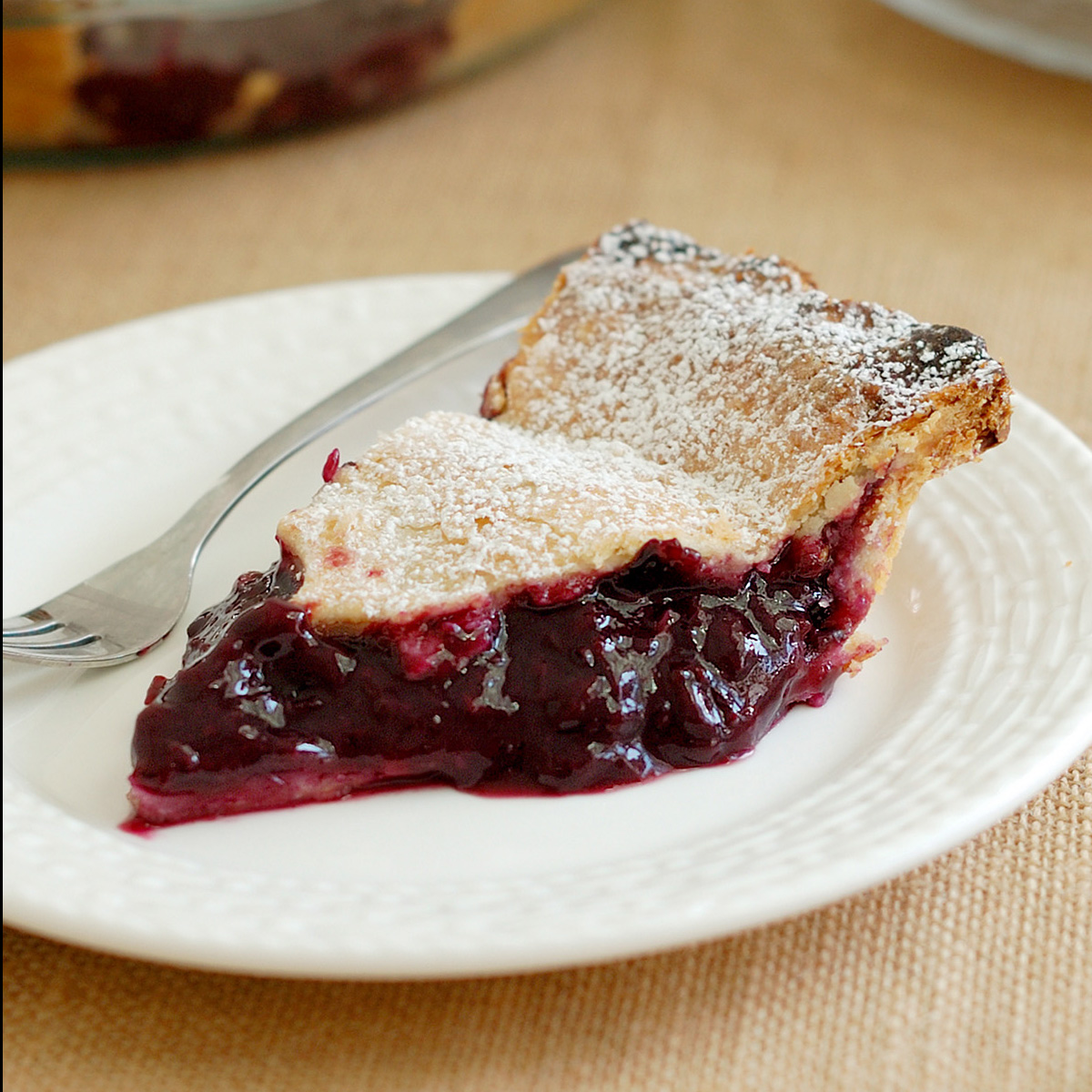
Grape pie is the dessert most bakers forget until a neighbor hands them a basket of dark, fragrant Concord grapes. Then everything changes. This deep purple pie delivers a sweet-tart, jammy filling inside a buttery crust, and it tastes like early autumn. Here is everything you need to bake a flawless grape pie from scratch.
In this guide, you will find the full ingredient list, a six-step method, troubleshooting advice, serving ideas, and storage tips. The recipe serves eight, needs about 30 minutes of prep, and bakes in roughly 55 minutes, plus cooling time. Even beginners can handle it with a little patience and a sharp eye on the grape skins.
What Is Grape Pie?
Grape pie is a double-crust fruit pie filled with cooked Concord grapes, sugar, and a thickener. Unlike cherry or blueberry pie, its flavor leans bold and slightly wine-like, with a tang that balances the sweetness. The classic version is especially loved in grape-growing regions of the United States, where late-summer harvests inspire family recipes.
Concord grapes matter here because their skins slip off the pulp easily and carry most of the color and flavor. That slip-skin quality is the secret behind the pie’s signature jammy texture. Seedless table grapes work in a pinch, but they produce a milder, less distinctive filling.
Reasons You’ll Love This Grape Pie Recipe
First, the ingredient list is short and affordable. Second, the filling can be made a day ahead. Third, the deep purple color looks stunning on a holiday table. Fourth, the flavor is unlike any other fruit pie. Fifth, it is a smart way to use a bumper crop of grapes before they spoil. Every reason adds up to a dessert worth baking.
Ingredients You Need for Homemade Grape Pie (Serves 8)
For the crust, gather 2½ cups of all-purpose flour, 1 cup of cold butter, 1 teaspoon of salt, 1 tablespoon of sugar, and 6 to 8 tablespoons of ice water. A store-bought double crust saves time and still delivers a good result. Keep the butter cold, because that is what creates flaky layers.
For the filling, you need about 4 pounds of Concord grapes, ¾ cup of sugar, 3 tablespoons of cornstarch, tablespoon of lemon juice, 1 tablespoon of butter, and a pinch of salt. Cinnamon or orange zest adds warmth if you like. Tapioca or flour can replace cornstarch, though the set will feel slightly different.
How to Make Grape Pie in 6 Easy Steps
Make the crust. Cut the butter into the flour, salt, and sugar until pea-sized crumbs form, then add ice water and divide the dough into two discs. Chill for 1 hour. Step 2: Slip the grapes. Squeeze each grape so the pulp pops out, and set the skins aside in a bowl.
Cook the pulp. Simmer the pulp for 5 to 8 minutes until the seeds loosen, then press it through a sieve to remove them. Stir the strained pulp back into the skins with the sugar, cornstarch, lemon juice, and salt, then cool completely. Step 4: Assemble. Roll out the bottom crust, add the filling, dot with butter, and cover with the top crust.
Bake. Cut 5 or 6 steam vents, brush the top with milk, and bake at 425°F for 15 minutes. Lower the heat to 350°F and bake 35 to 40 minutes more, until the crust is golden and the filling bubbles through the vents. Step 6: Cool. Let the pie rest for at least 3 hours so the filling sets.
Pro Tips for a Perfect Grape Pie
Runny filling is the most common complaint, and the fix is simple: measure the thickener carefully and cool the cooked filling before it meets the crust. Bake the pie on a rimmed sheet pan to catch drips, and place it on the lowest oven rack so the bottom crust browns properly.
Taste the filling before assembling. If the grapes are very tart, add an extra tablespoon of sugar; if they are very sweet, increase the lemon juice slightly. For a glossy, bakery-style finish, brush the crust with egg wash and sprinkle coarse sugar on top before baking.
Common Grape Pie Mistakes and How to Fix Them
The first mistake is a bitter filling, usually caused by crushed seeds, so always strain the pulp. The second is a crust that browns too quickly; cover the edges with foil after the first 25 minutes. The third is a pie that bubbles over, solved by proper vents. The fourth is slicing too early, which turns neat wedges into purple soup.
Serving Ideas and Variations for Grape Pie
Serve each slice warm or at room temperature with vanilla ice cream, softly whipped cream, or a wedge of sharp white cheddar. The cheese pairing sounds unusual, yet the salty bite highlights the grapes’ natural tang beautifully. A cup of black coffee or spiced tea rounds out the experience.
For variations, swap the top crust for a buttery crumble, weave a lattice for a prettier look, or bake the filling into mini hand pies for parties. Because grape pie shines in fall, it is a natural fit for Thanksgiving, harvest dinners, church suppers, and potlucks.
How to Store, Freeze, and Reheat Grape Pie
Leave the baked pie at room temperature for up to 2 days, loosely covered. For longer storage, refrigerate it for up to 5 days. Wrap whole pies or individual slices tightly and freeze them for up to 3 months, then thaw overnight in the refrigerator before serving.
To revive that fresh-baked texture, reheat slices in a 325°F oven for 10 to 15 minutes. Skip the microwave, which softens the crust. Because storage times vary with kitchen temperature, use your best judgment and discard any pie that smells off or shows signs of mold.
Conclusion: Why Grape Pie Belongs on Your Fall Table
Homemade grape pie rewards patience with a deep purple filling, a flaky crust, and a flavor you cannot buy in a store. Follow the six steps, respect the cooling time, and you will have a showstopper. Bake one this season, then share your photos and tweaks in the comments so other bakers can learn from your results.
You may also read: Friday Quotes
FAQs About Grape Pie: 5 Quick Answers
What does grape pie taste like? It tastes sweet, tangy, and jammy, somewhere between blackberry pie and grape jelly, with a faint wine-like depth from the skins. The cooked skins add a pleasant bite, while lemon juice brightens the finish. Most people find it more complex than cherry pie and less sugary than pecan.
Can I use seedless grapes? Yes, and you can skip the seed-straining step. However, seedless table grapes are usually milder and thinner-skinned, so the filling tastes less bold and may need extra lemon juice and thickener. For the most authentic flavor and color, Concord grapes remain the top choice whenever they are in season.
Why is my grape pie runny? Usually the filling was too warm, the thickener was under-measured, or the pie was cut too soon. Cool the filling before assembling, use the full 3 tablespoons of cornstarch, and let the baked pie rest for at least 3 hours. Bubbling through the vents signals that the thickener has activated.
Can I make grape pie ahead of time? Absolutely. Cook the filling up to 2 days ahead and refrigerate it, or assemble the unbaked pie and freeze it for up to 3 months. Bake straight from the freezer, adding 15 to 20 minutes to the time. The baked pie also keeps well for several days.
Can I use store-bought crust? Yes. A refrigerated double crust works well and saves about 30 minutes. Choose a deep-dish version if possible, since grape filling is generous. Brush the top with milk or egg wash for color, and keep an eye on the edges, which may brown faster than a homemade crust.








Post Comment