Packable Outerwear and the Modern Traveler: Staying Prepared Without Carrying Too Much
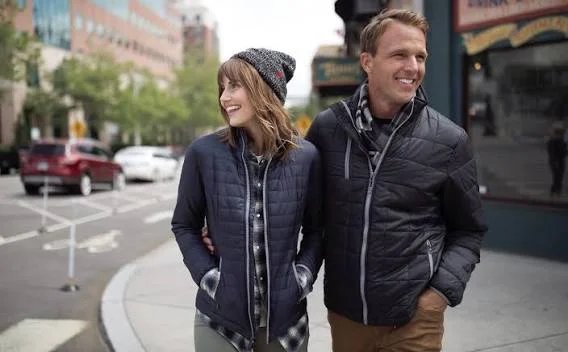
Anyone who has traveled with a heavy winter coat knows the frustration. It takes up half a suitcase, it is too warm on the plane, it needs to be carried through airports and train stations, and it is often only needed for a few hours at the destination. Yet leaving it behind risks being caught out by cold weather far from home.
Travel has pushed outerwear in a new direction. Modern travelers increasingly want garments that protect them from wind, rain and cold but fold down into a pocket, a stuff sack or a corner of a carry-on bag. Packable outerwear, designed to compress small and expand again when needed, has become one of the most practical categories of clothing for people on the move.
This article explores why packable outerwear matters to travelers, how different kinds of travelers use it, what makes it work and how tour operators, groups and brands can think about it.
Understanding Packable Outerwear
What Makes Outerwear Packable
Packable outerwear uses lightweight fabrics and constructions that compress into a small volume without being damaged. Some garments fold into their own pocket. Others come with a small storage bag. When unpacked, they recover their shape and performance.
Two Main Families
Most packable outerwear falls into two groups. The first is thin shells, designed mainly to block wind and light rain. The second is compressible insulated layers, designed to trap warmth while still packing down small.
Why Fabric Technology Matters
Packability depends on fine, strong fabrics and insulation that can be squashed and then rebound. Advances in lightweight nylon and polyester fabrics and in both down and synthetic fills have made it possible to carry real protection in a very small space.
Why Travelers Value Packability
Limited Luggage Space
Many travelers now fly with carry-on bags only, either to save money or to move faster. Every item must earn its place. Bulky coats rarely do.
Changing Climates in One Trip
A single trip can involve very different conditions: a warm city, a cold mountain excursion, a windy coastline and an air-conditioned plane. Packable layers let travelers adapt without carrying a separate coat for each setting.
Long Days on the Move
Travel days often involve hours of walking, waiting and sitting. Light, packable layers can be worn when needed and stowed when not, without becoming a burden.
The Role of Wind Shells
Light Protection for Unpredictable Weather
A thin wind-resistant shell is often the most useful single item a traveler can carry. It blocks wind on exposed viewpoints and ferry decks, sheds light rain during a city walk and adds a surprising amount of warmth over a sweater.
Ideal for Active Travel
Hikers, cyclists and walkers appreciate shells because they breathe better than heavier coats and pack down to almost nothing. For many travelers, a packable windbreaker jacket becomes a permanent part of their travel kit, used on everything from mountain trails to evening walks along the coast.
Limitations
Shells provide limited warmth on their own. In cold conditions, they need to be layered over an insulating garment.
The Role of Compressible Insulation
Real Warmth in a Small Space
Compressible insulated layers fill the gap between a thin shell and a heavy winter coat. They trap warm air effectively, yet fold down to the size of a water bottle or smaller.
Down Versus Synthetic Fills
Down offers excellent warmth for its weight and compresses very well, making it popular for travel. Synthetic fills keep more of their warmth when damp and dry faster, which suits wet climates and active trips.
Popular With Groups and Brands
Because quilted, compressible layers are so practical, they have become a common choice for tour companies, school trips, sports teams and corporate travel programs. Organizations outfitting groups often source wholesale puffer jacket styles in a single color with a small logo, giving every traveler a warm, packable layer that also helps group leaders spot their party in busy airports and stations.
How Different Travelers Use Packable Outerwear
City Travelers
City visitors often face mild but changeable weather. A light shell or thin insulated layer that fits in a day bag covers most situations, from breezy riverside walks to cool evenings.
Adventure Travelers
Trekkers, climbers and outdoor enthusiasts rely on layering systems built around packable pieces. They may carry a wind shell, an insulated layer and a waterproof jacket, combining them as conditions demand.
Business Travelers
Business travelers prefer outerwear that looks neat and packs without creasing badly. Slim, dark insulated layers or smart shells work well over business-casual clothing.
Families
Parents traveling with children appreciate packable layers for the whole family, reducing the volume of luggage while keeping everyone prepared for weather changes.
Group Travelers
School trips, sports tours and organized group holidays benefit from matching packable layers that make the group easy to identify and ensure every participant has suitable protection.
Important Elements of Packable Outerwear
Packed Size and Weight
The smaller and lighter, the easier it is to carry. However, extremely light garments may sacrifice durability.
Warmth-to-Weight Ratio
For insulated layers, this measures how much warmth a garment provides relative to its weight.
Weather Resistance
Shells should block wind and shed light rain. Insulated layers benefit from water-resistant outer fabrics.
Durability
Thin fabrics can tear on rough surfaces or snag on luggage. Reinforced areas and sturdy zips help.
Fit for Layering
Packable layers should fit over or under other garments without restriction.
Storage Method
Self-stowing pockets or included stuff sacks make packing quick and prevent the garment from being lost in a bag.
Practical Ways to Use Packable Outerwear
Build a Travel Layering System
Combine a base layer, a compressible insulated layer and a wind or rain shell. This trio covers a wide range of conditions.
Keep It Accessible
Pack outerwear near the top of a bag or in an outer pocket, so it is easy to reach when the weather changes.
Wear It on the Plane
Cabins can be cold. A packable insulated layer doubles as a blanket or pillow.
Air It Out
Compressed garments should be unpacked and allowed to loft at the destination, especially down-filled pieces.
Care for It Properly
Follow washing instructions carefully. Down and synthetic fills often require gentle cycles and thorough drying to keep their loft.
Packable Outerwear Across Climates
Cold Destinations
For trips to cold regions, packable layers are usually part of a larger system. Travelers may pack a compressible insulated layer and a shell, then wear a heavier coat for the coldest days. The packable pieces add flexibility for activities and indoor-outdoor transitions.
Wet Destinations
In rainy climates, water resistance matters more than maximum warmth. Synthetic fills and shells with water-repellent finishes perform better than untreated down when showers are frequent.
Mountain and High-Altitude Trips
Mountains bring rapid weather changes and colder temperatures at higher elevations. Travelers often carry several packable layers so they can respond as they climb, descend or wait out a change in conditions.
Warm Destinations
Even in warm places, evenings by the sea, air-conditioned buses and early-morning excursions can feel cool. A thin shell or very light insulated layer takes almost no room and prevents discomfort.
Mixed Itineraries
Travelers visiting several regions in one trip benefit most from packable layers, because they can adapt to each stop without carrying separate wardrobes.
Common Mistakes
Relying on a Shell Alone in Cold Weather
Shells block wind but do not provide much insulation.
Storing Insulated Layers Compressed for Long Periods
Long-term compression can reduce loft. Store them loosely at home.
Ignoring Weather Resistance
Very light insulated layers may lose warmth if soaked by rain.
Choosing Fit Over Function
A slim, fashionable layer may not fit over a sweater when it is needed most.
Forgetting Group Needs
Group organizers who leave outerwear to individuals may find some participants unprepared.
Why Packable Outerwear Matters
Packable outerwear has changed how people travel. It allows travelers to carry real protection without bulky luggage, adapt to changing conditions across a single trip and move more freely through airports, stations and cities.
For tour operators, schools and companies, packable layers offer a practical way to ensure every traveler is prepared while building group identity. For brands and retailers, they represent a category that suits modern, mobile lifestyles.
Conclusion
The modern traveler wants to be prepared without being weighed down. Packable outerwear meets that need. Thin wind shells provide light protection for active and changeable conditions, while compressible insulated layers deliver warmth in a remarkably small package.
By understanding packed size, warmth, weather resistance and durability, and by building flexible layering systems, travelers and travel organizers can stay comfortable from departure gate to destination, whatever the weather.
FAQs:
Q1::What is packable outerwear?
Packable outerwear is designed to compress into a small space, such as its own pocket or a stuff sack, and recover its shape and performance when unpacked.
Q2:Is a wind shell warm enough for cold weather?
Not on its own. Wind shells block wind and light rain but should be layered over an insulating garment in cold conditions.
Q3:Are down or synthetic layers better for travel?
Down offers excellent warmth for its weight, while synthetic fills handle damp conditions better. The best choice depends on the destination’s climate.
Q4:Why do tour groups use matching outerwear?
Matching layers ensure every participant is prepared for the weather and make the group easy to spot in crowded places.






Post Comment